2026-08 - Partial Solar Eclipse At Ockenburgh - Every Day Photos
Photos by Sean Ryan[about]
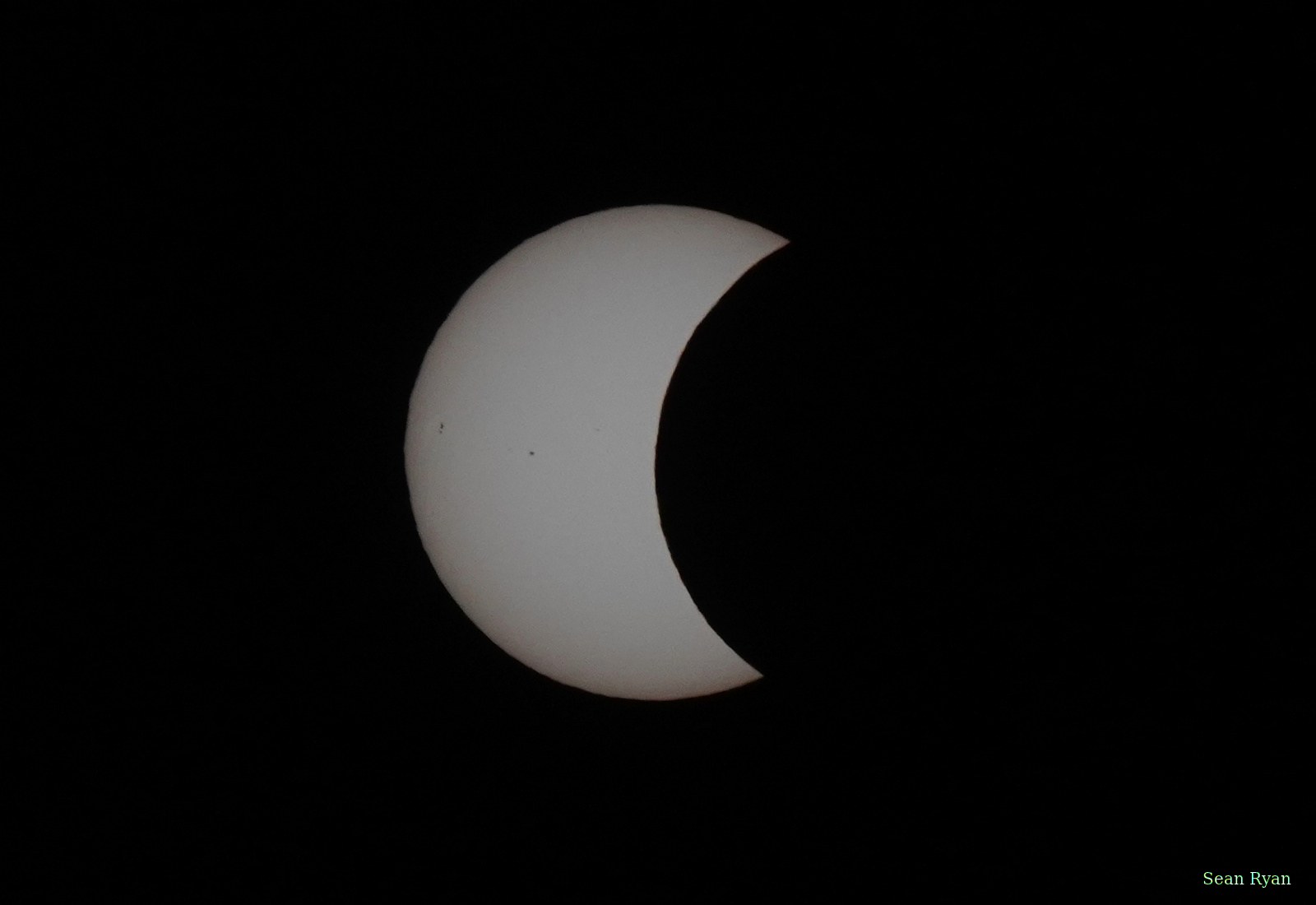
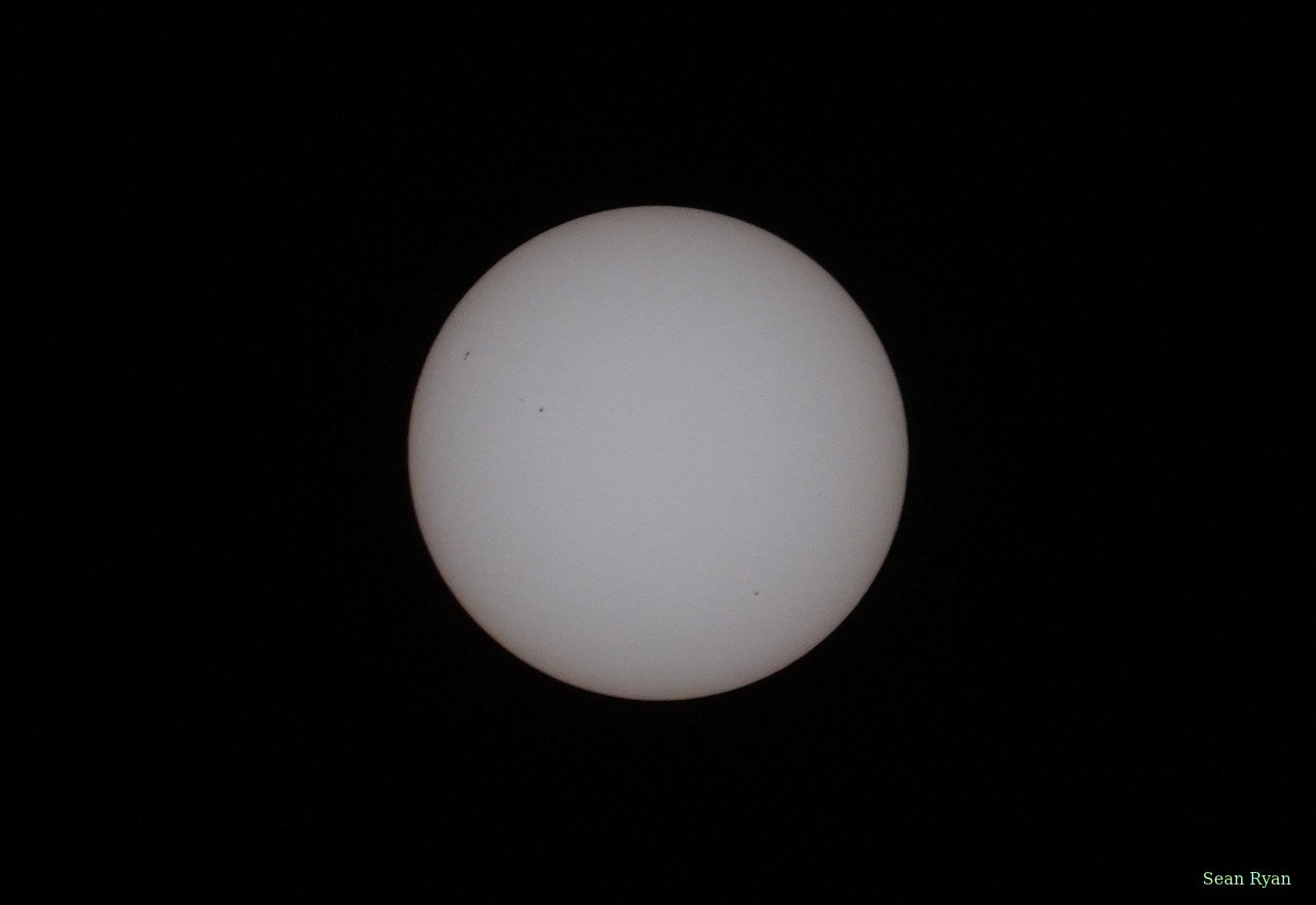
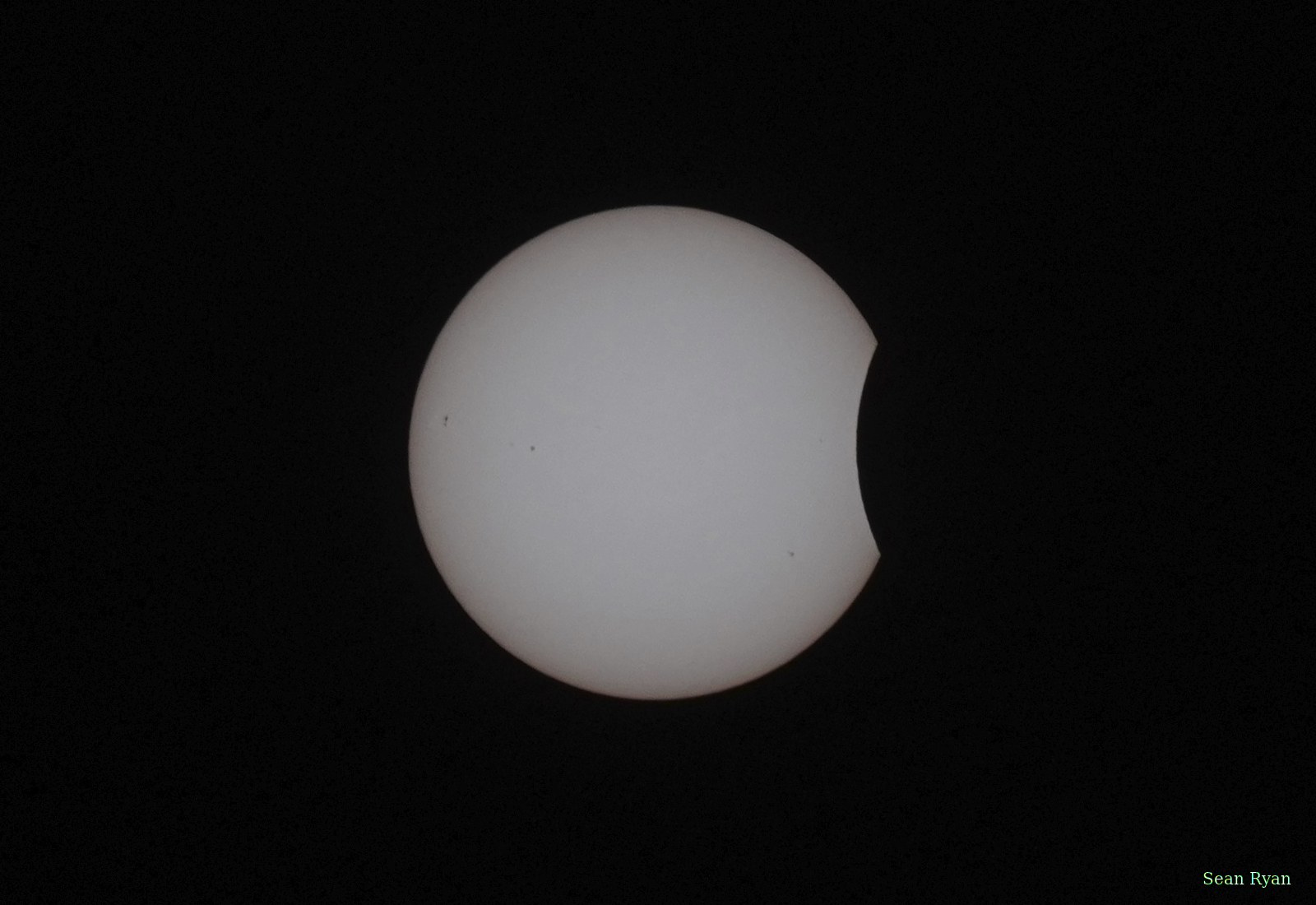
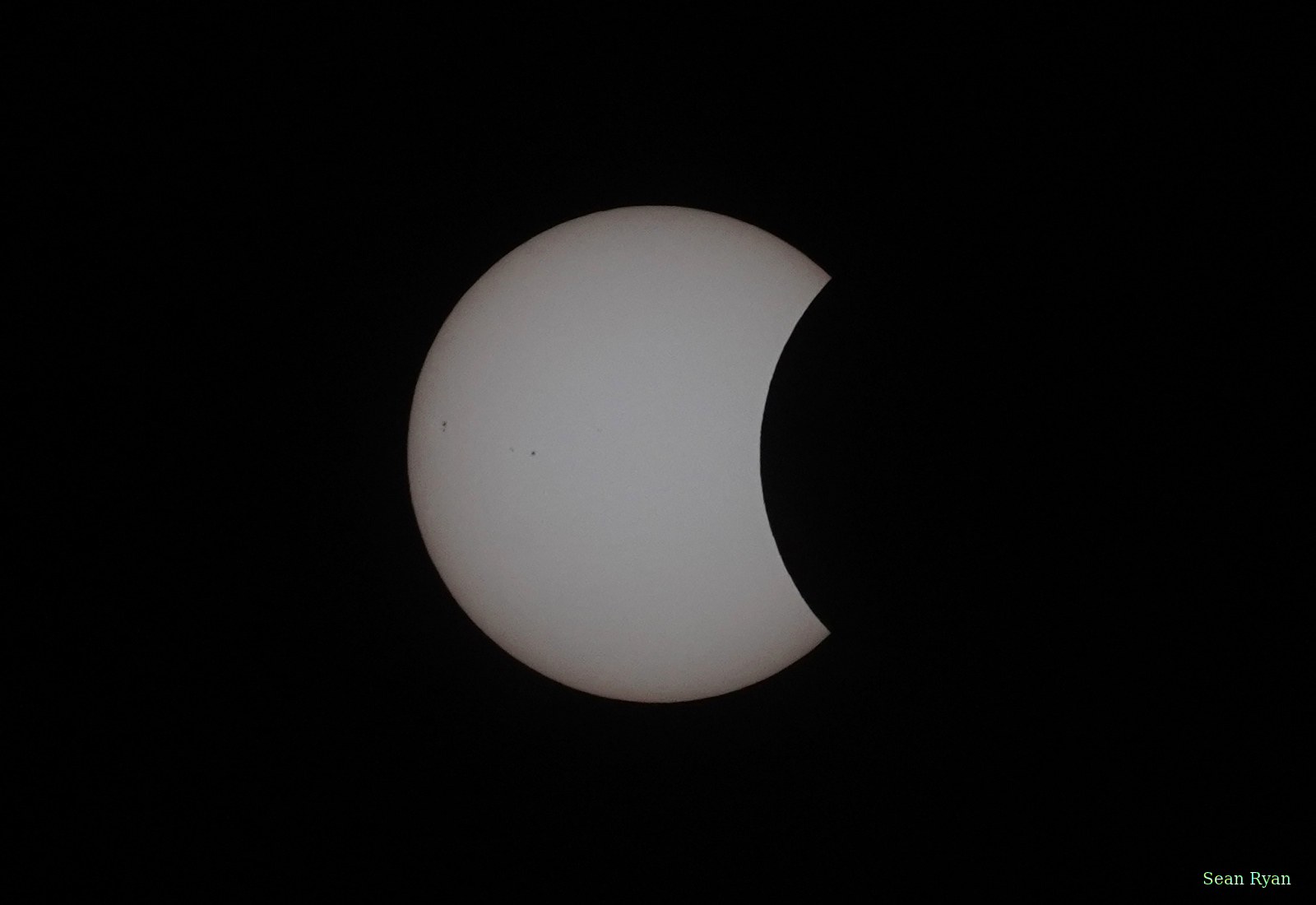
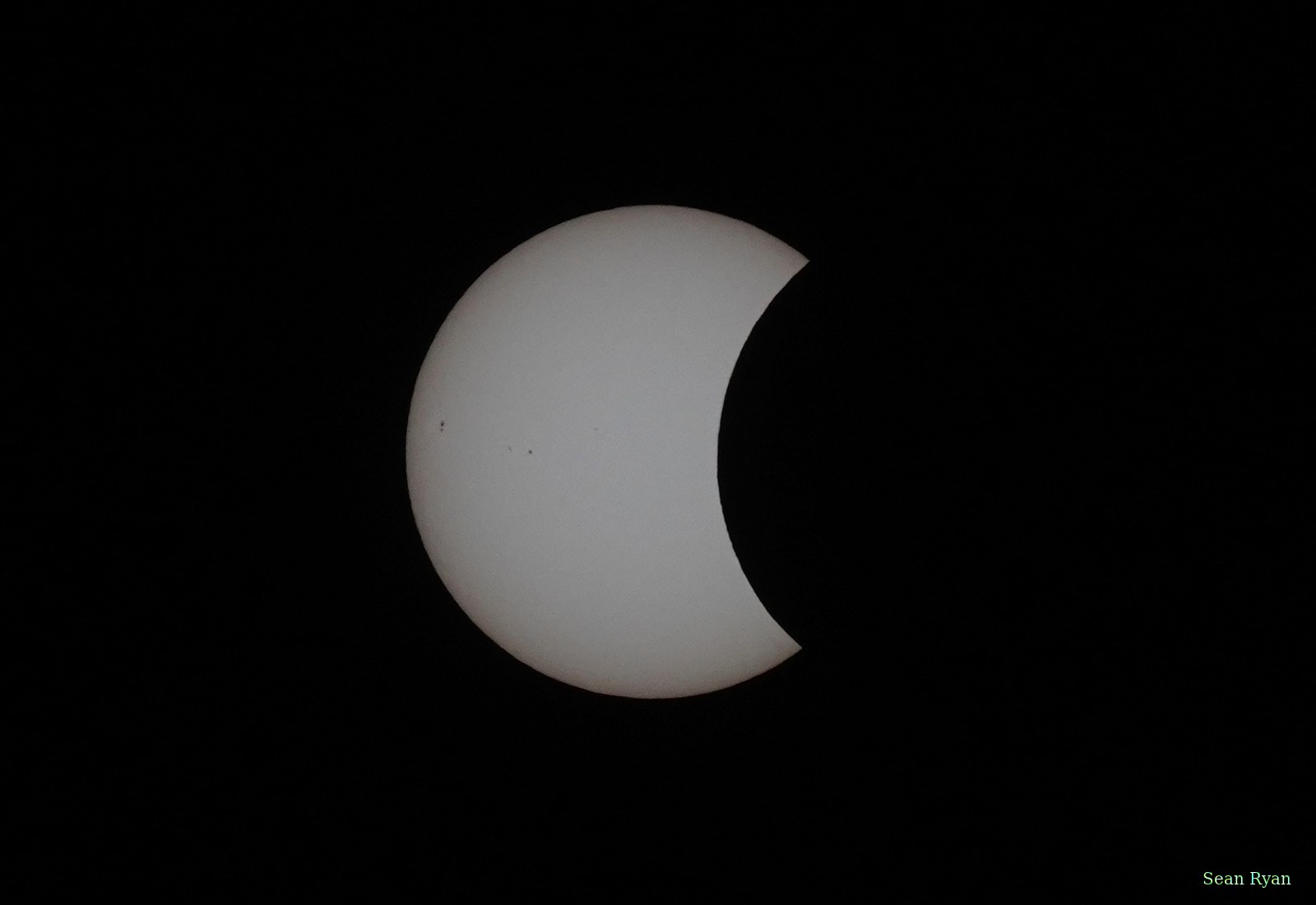
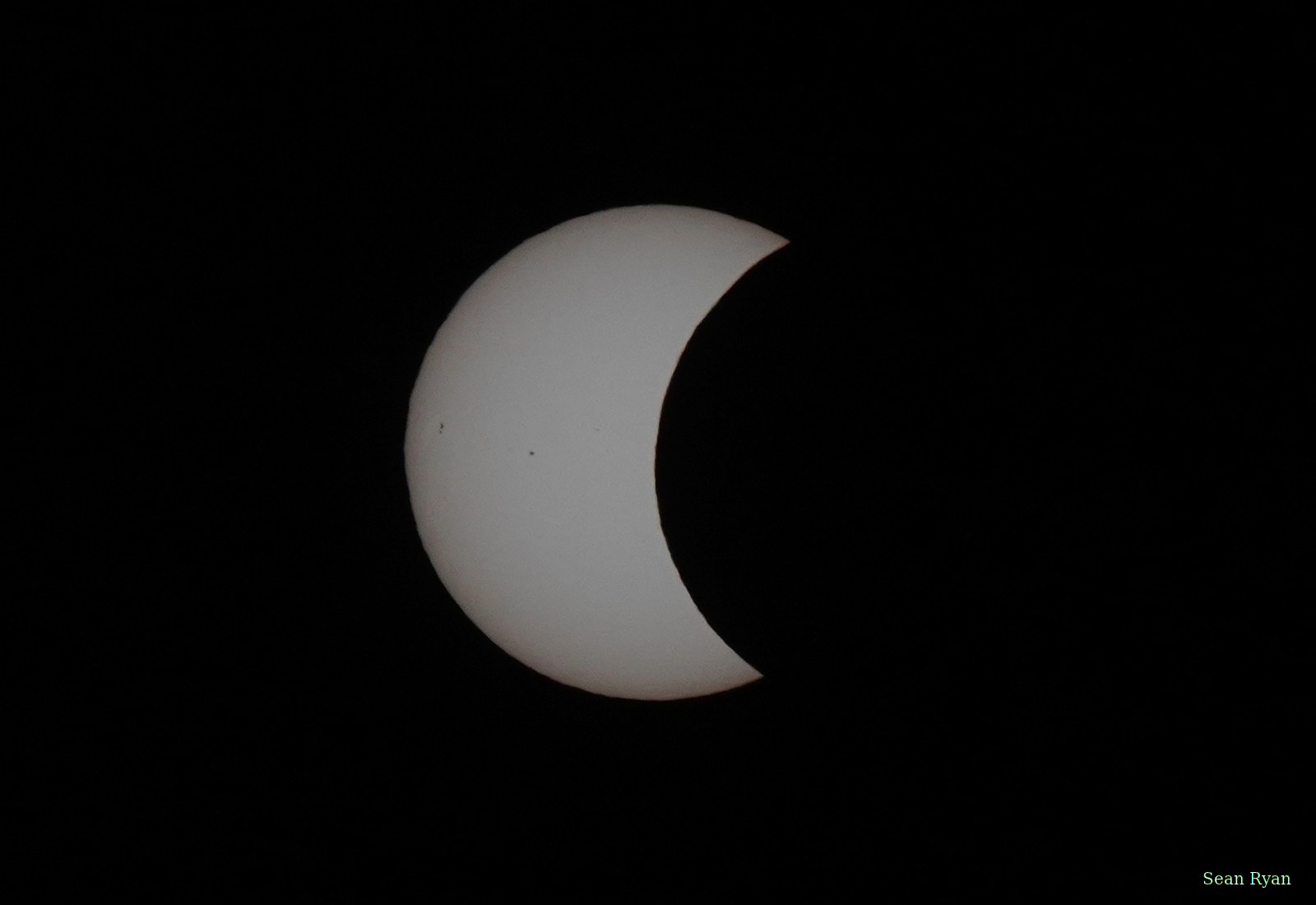
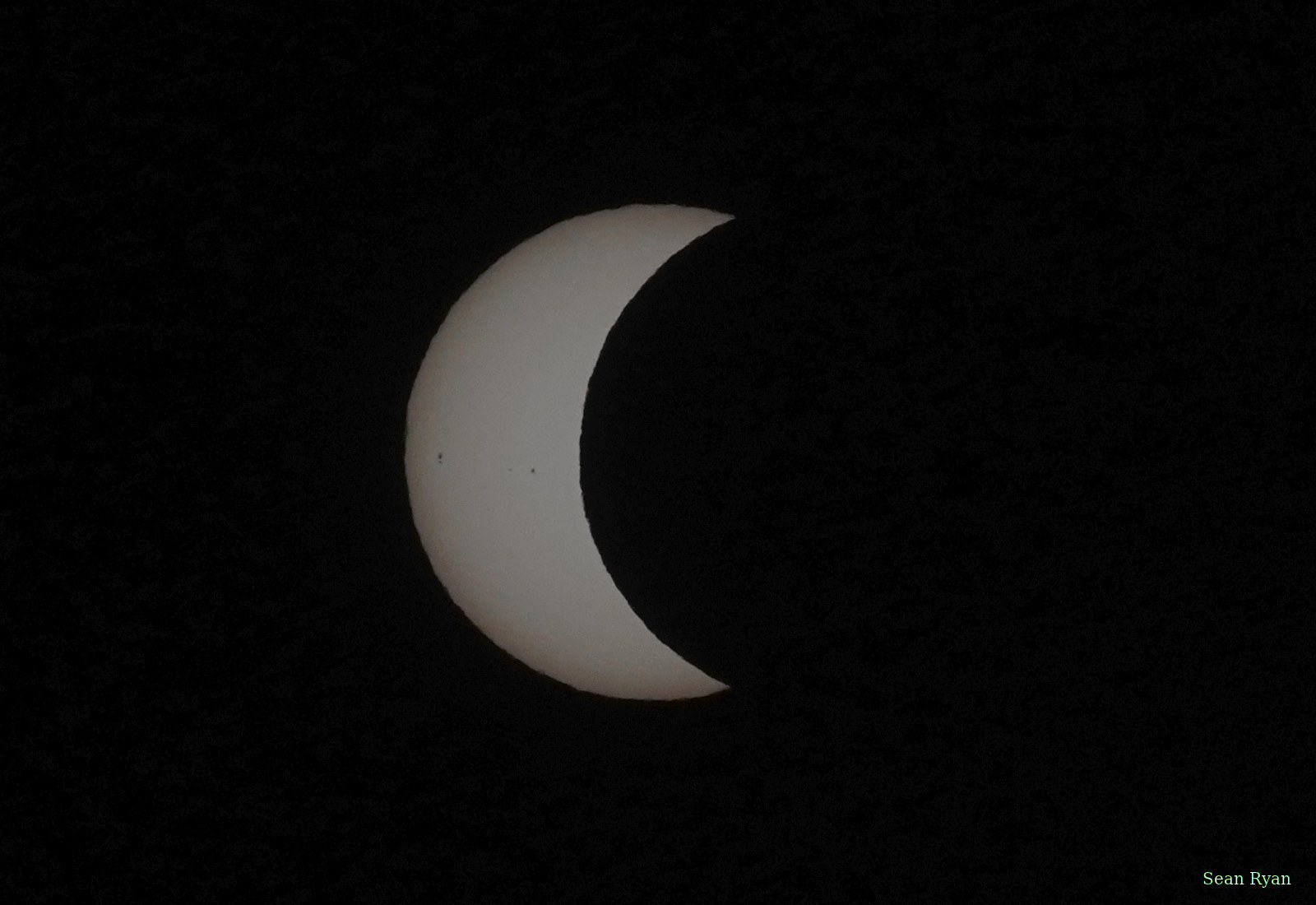
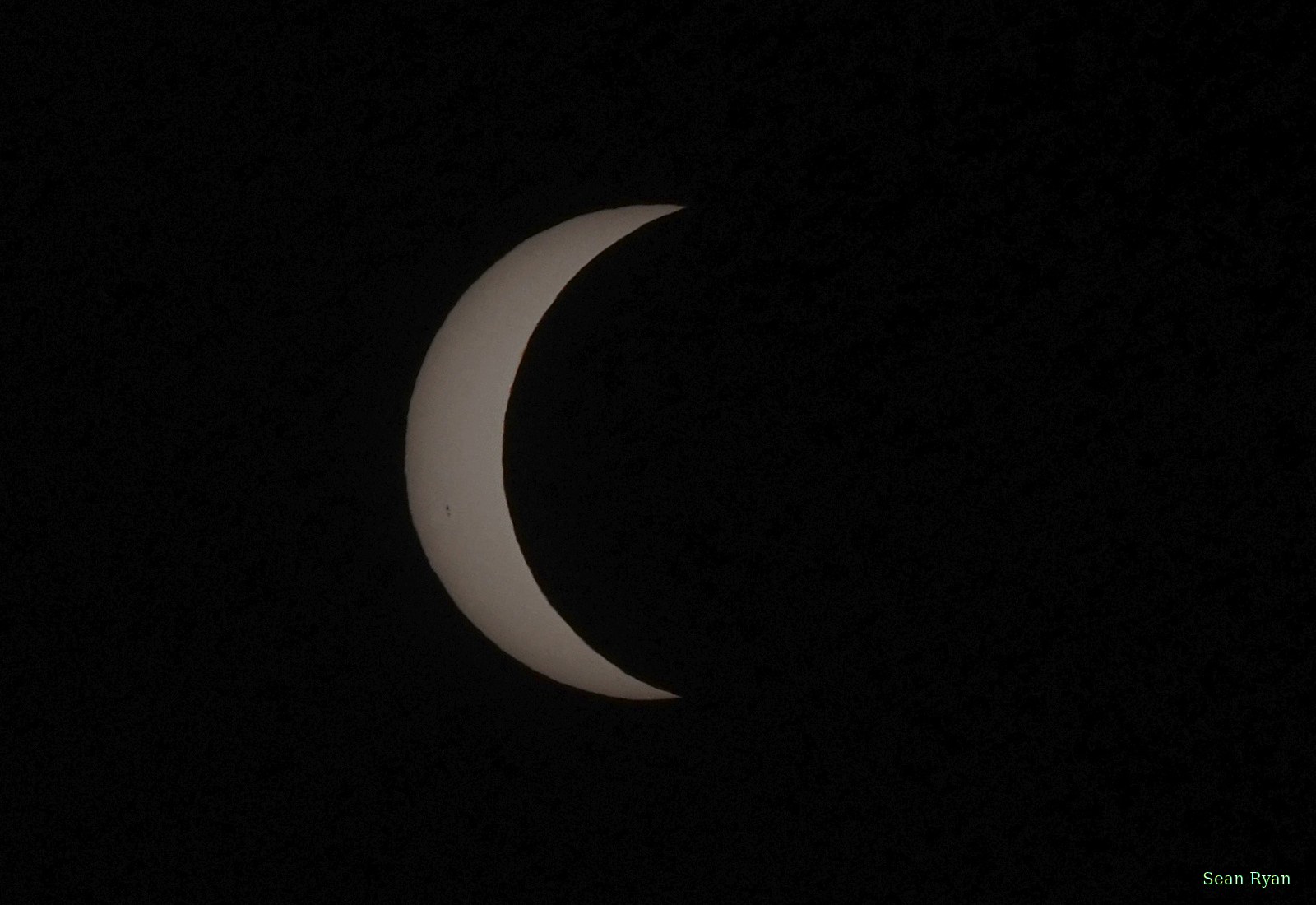
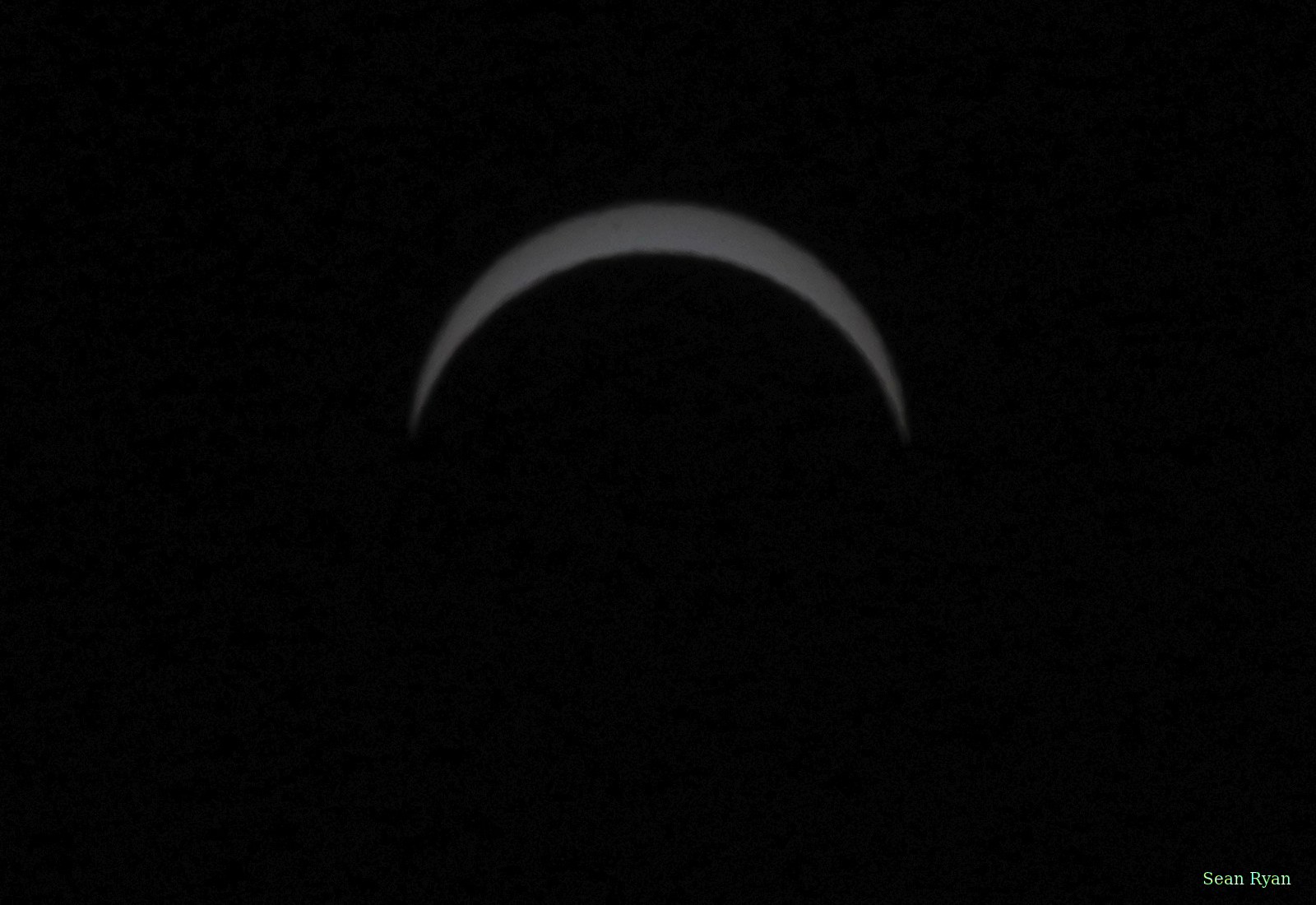
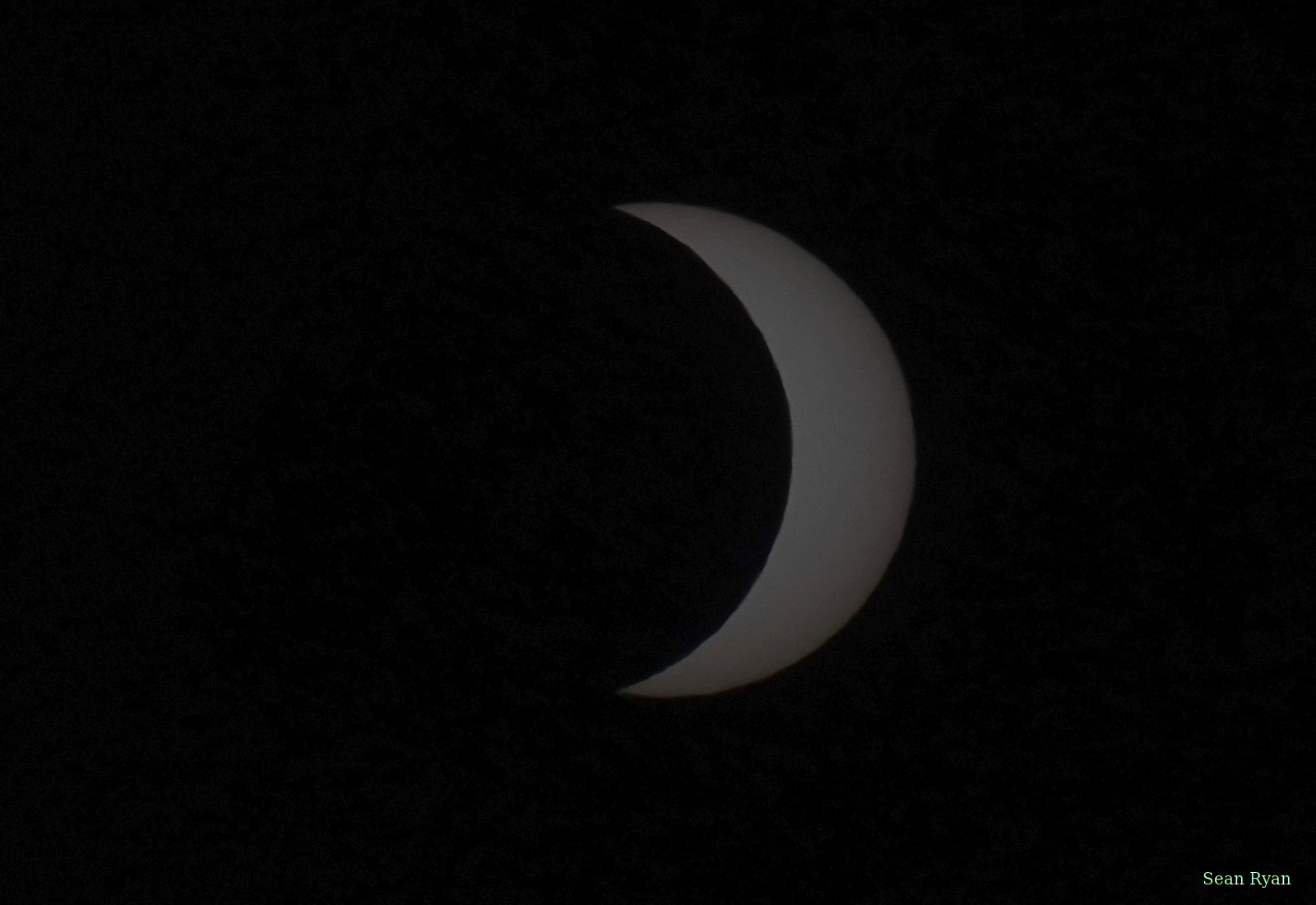
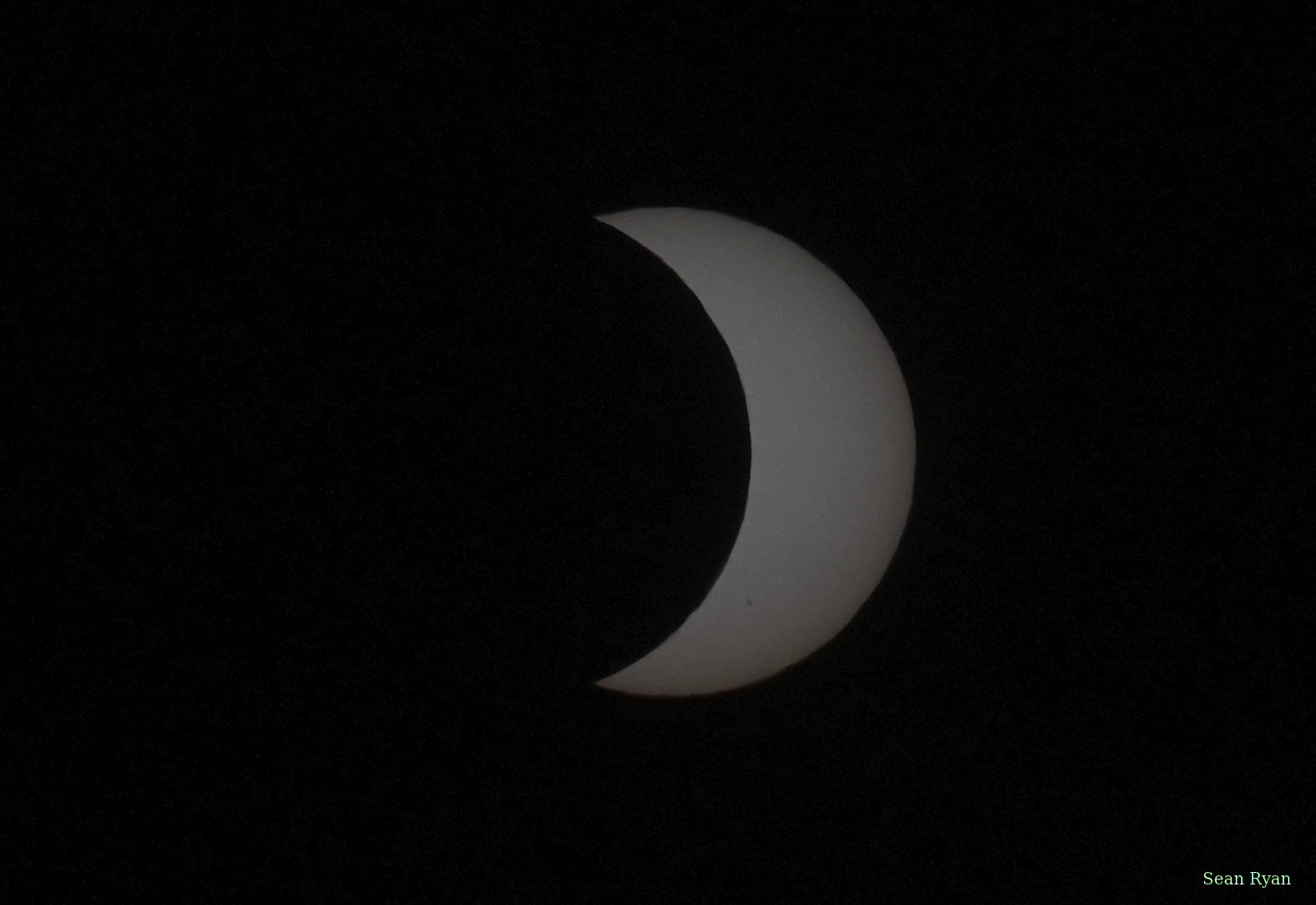
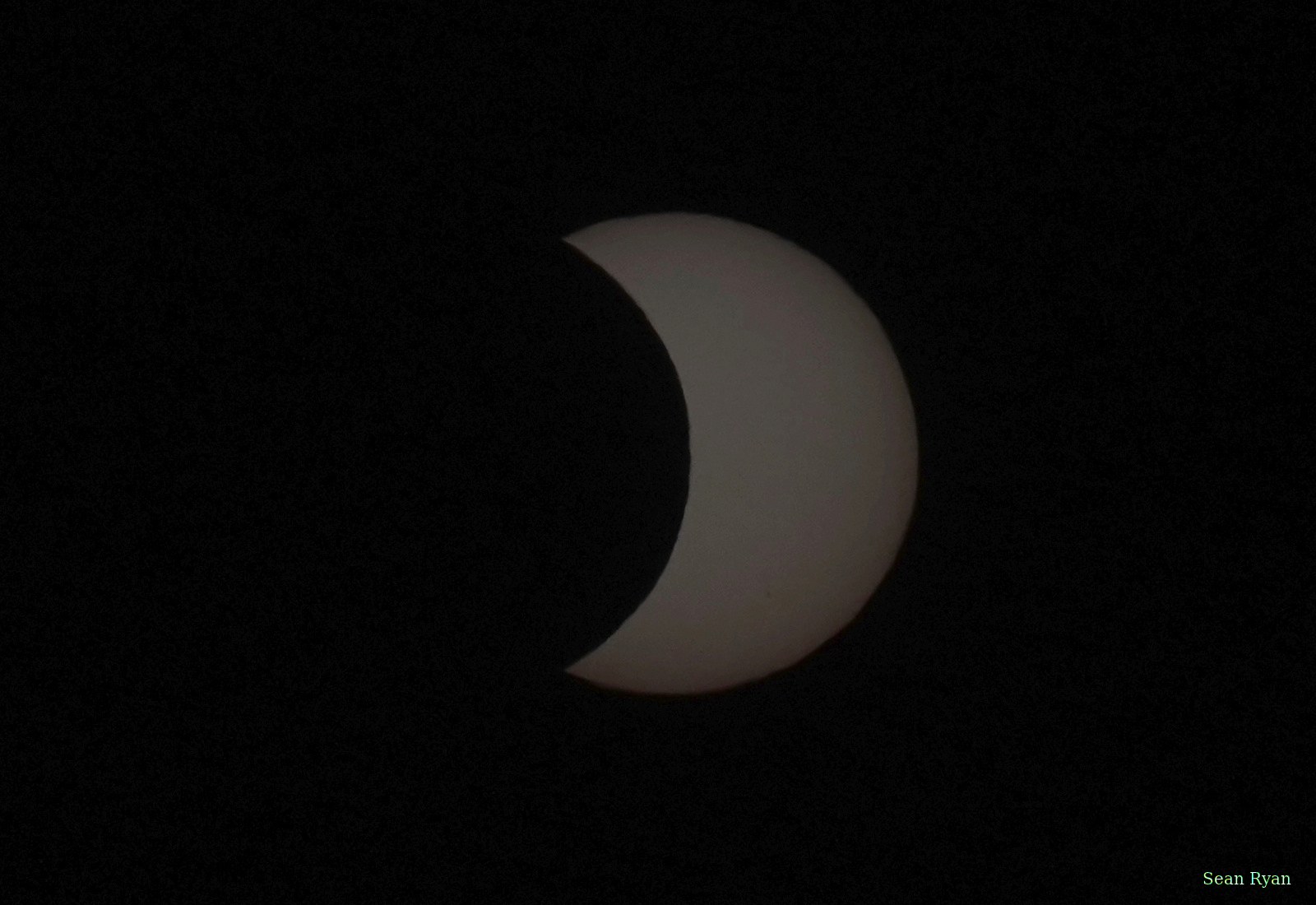
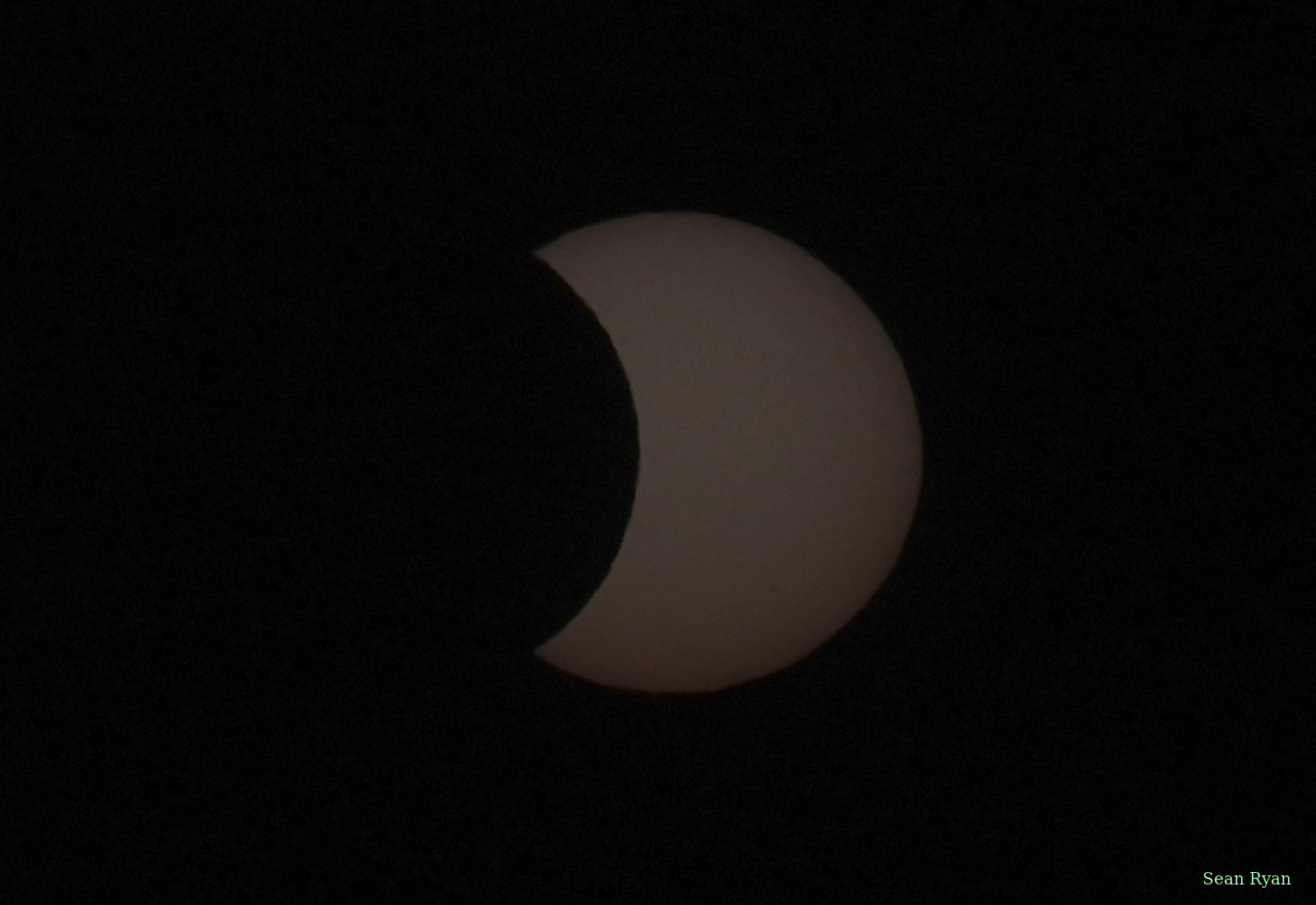
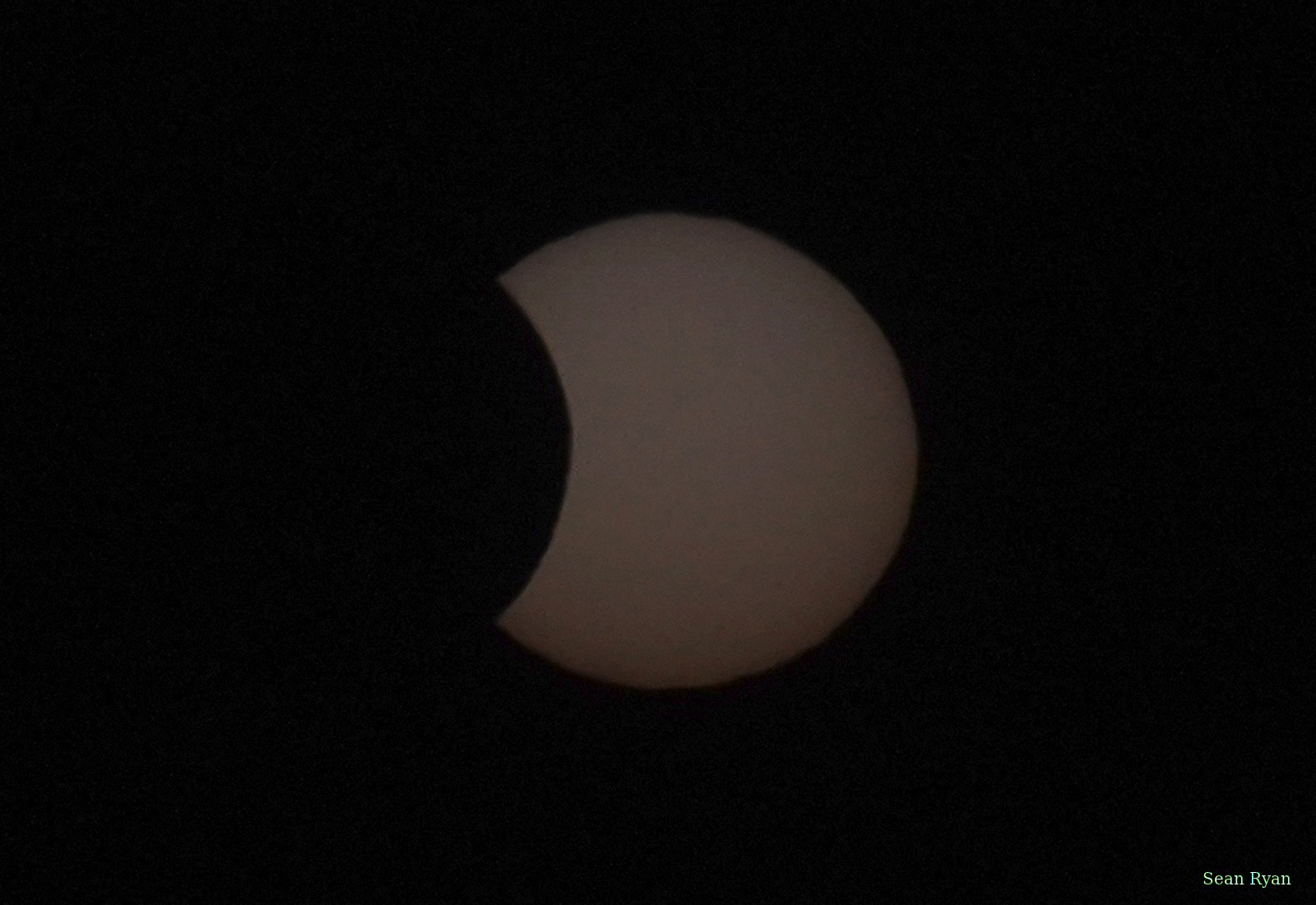
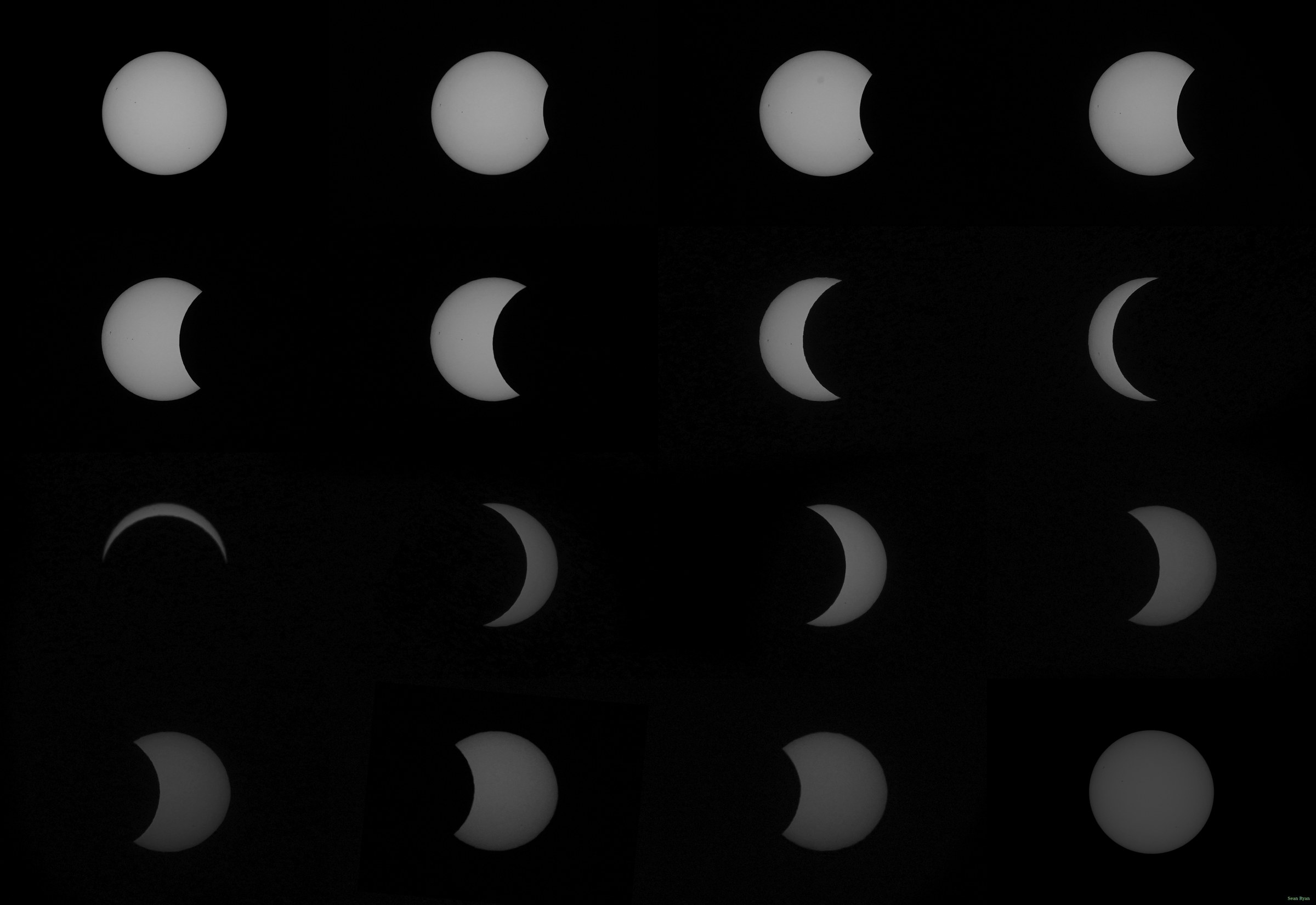
Partial eclipse of the sun was observable in much of Western Europe including the Netherlands.
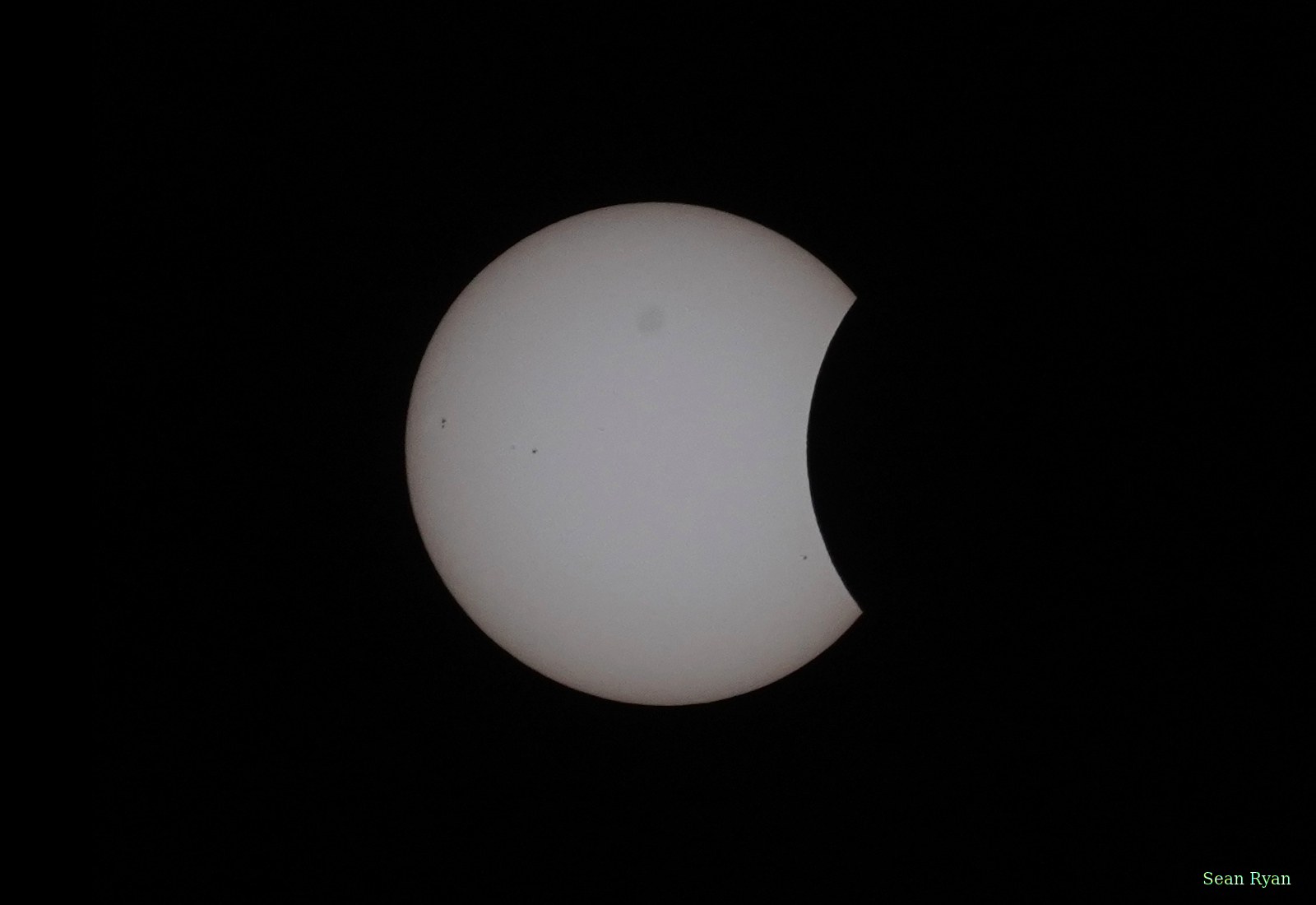
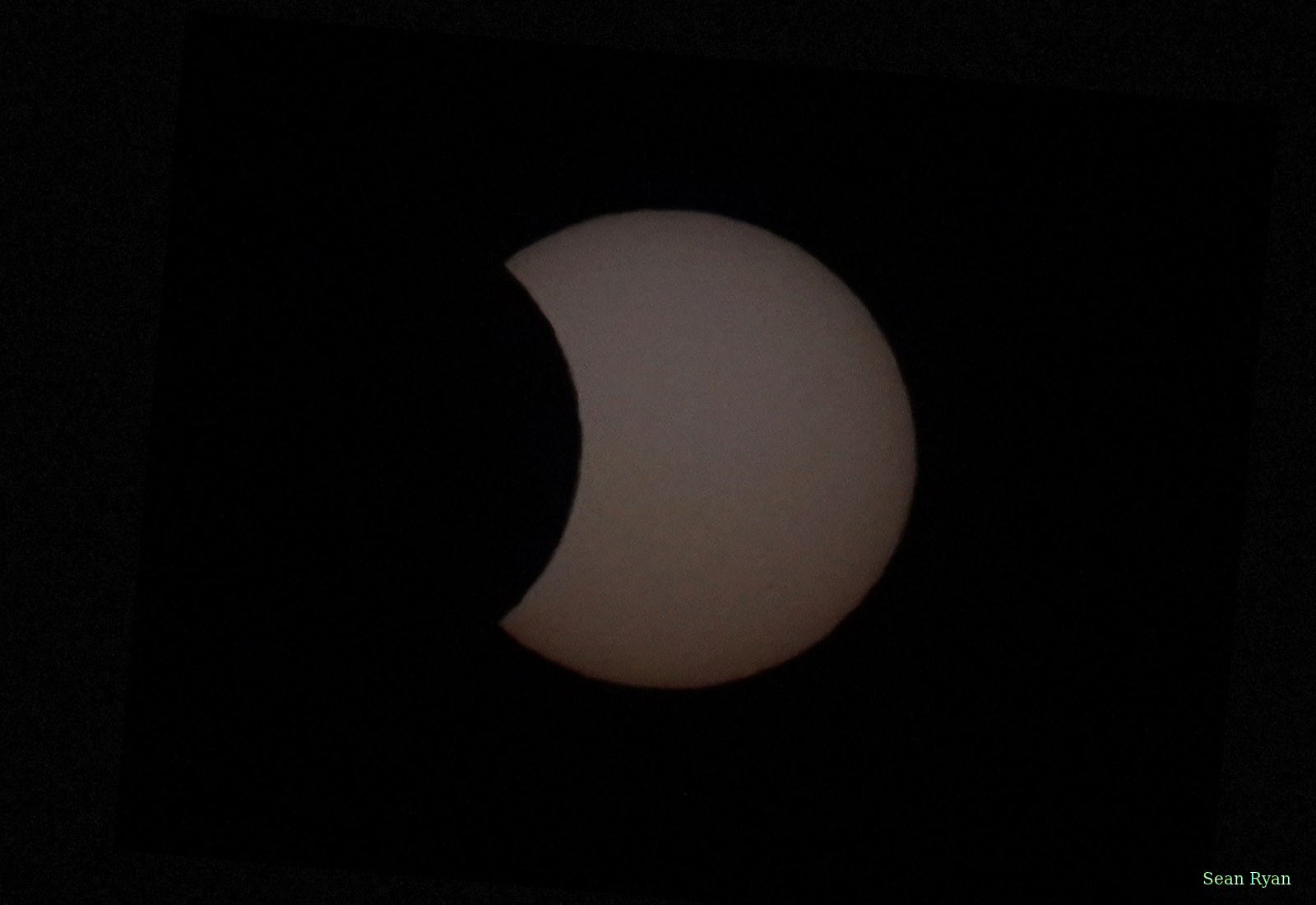
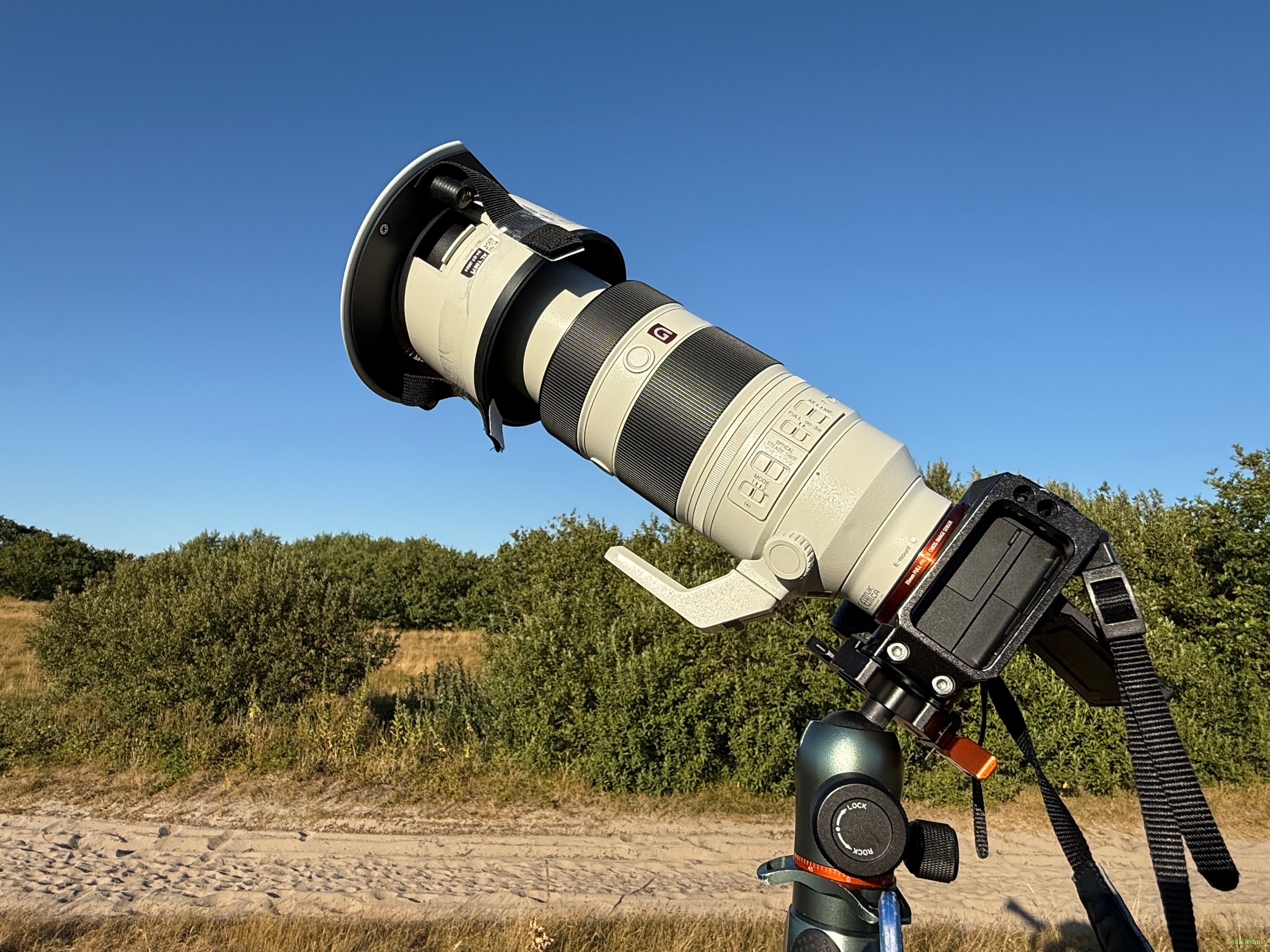
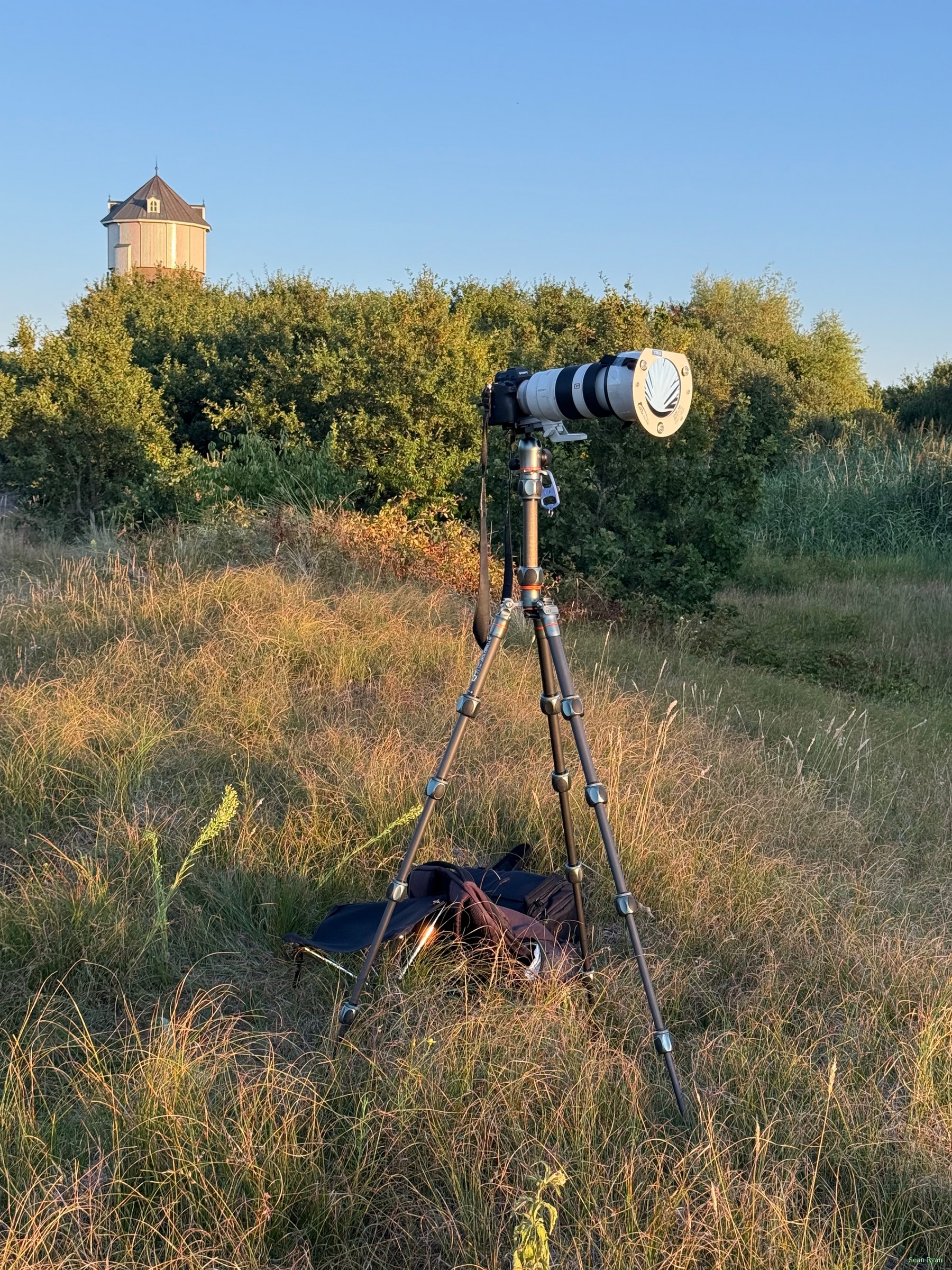
These shots were taken using a generic full frame camera with a 400mm lens and a 100mm solar filter - ideally would have used a longer lens and a better balanced tripod mount - but some details such as sun spots are still visible.
In this sequence (and a related timelapse), we seem to see some artefacts moving quite fast - observable over a 2 hour period which means the velocities involved must be really high.
While the Sun's core rotation takes 25 to 35 days, features on and above its surface move incredibly fast and are highly dynamic over just a two-hour window.
For example, the 3rd image in the sequence has a blurry patch which at first I thought was lens dirt. However, other frames of the related timelapse showed this patch moving up and over the spherical shape, so it is actually some artefact of the sun.
Possible explanations: Magnetic forces: The Sun's intense magnetic fields twist and snap, snapping plasma across vast distances in seconds. Extreme heat: Super-heated gases move at explosive speeds, much faster than the slow, steady background rotation of the Sun itself.