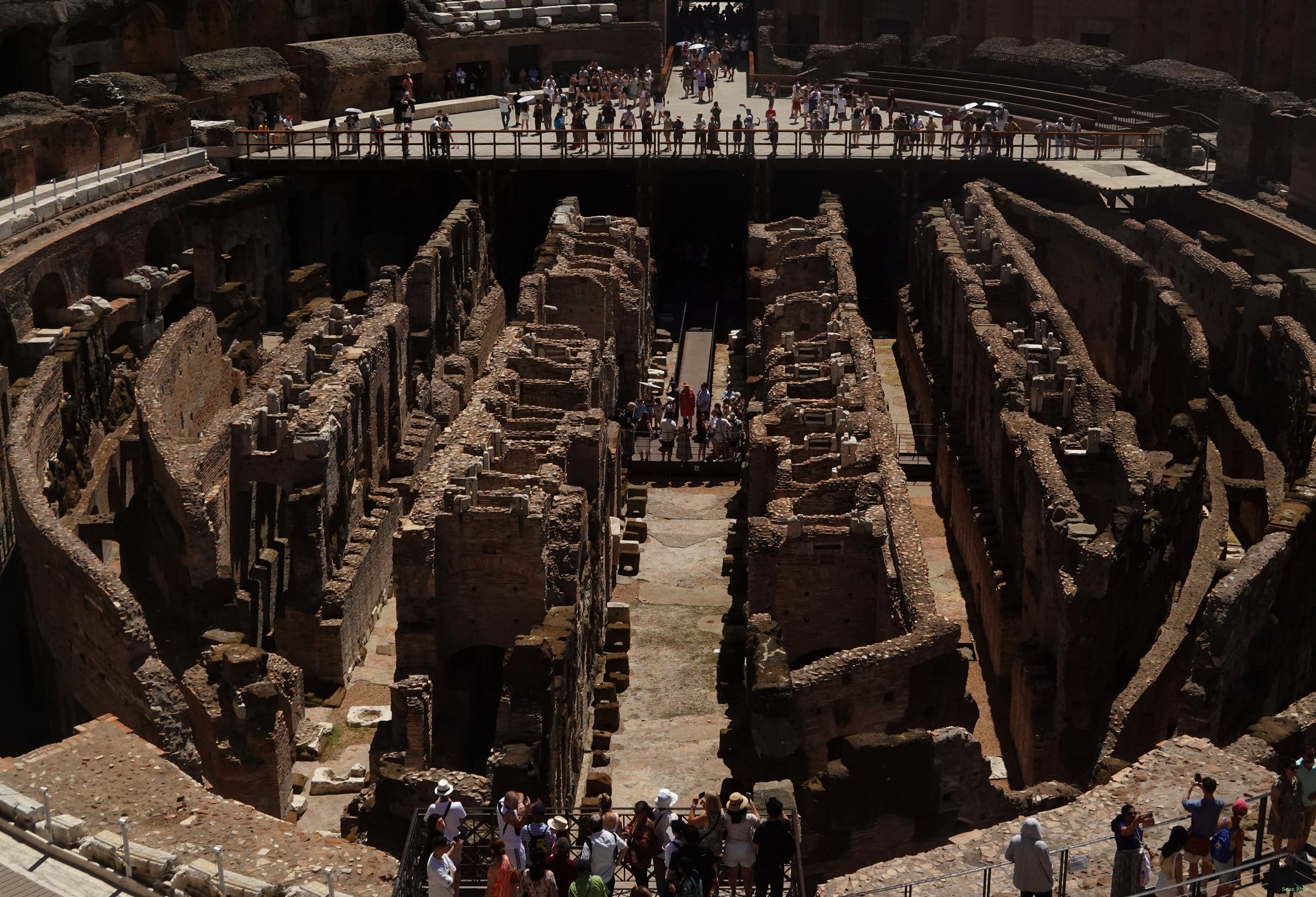
Inside The Colosseum - Every Day Photos
Photos by Sean Ryan[about]
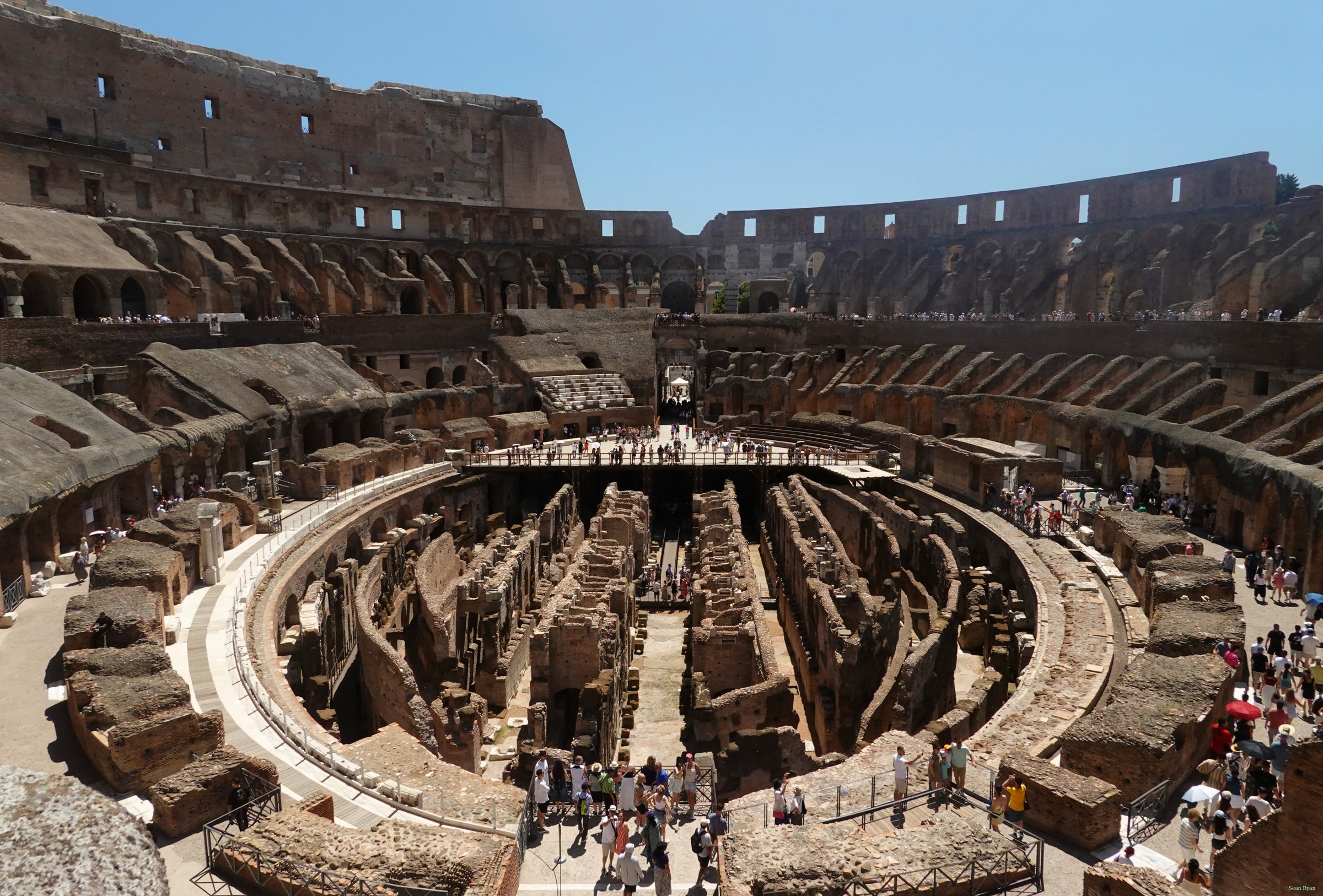
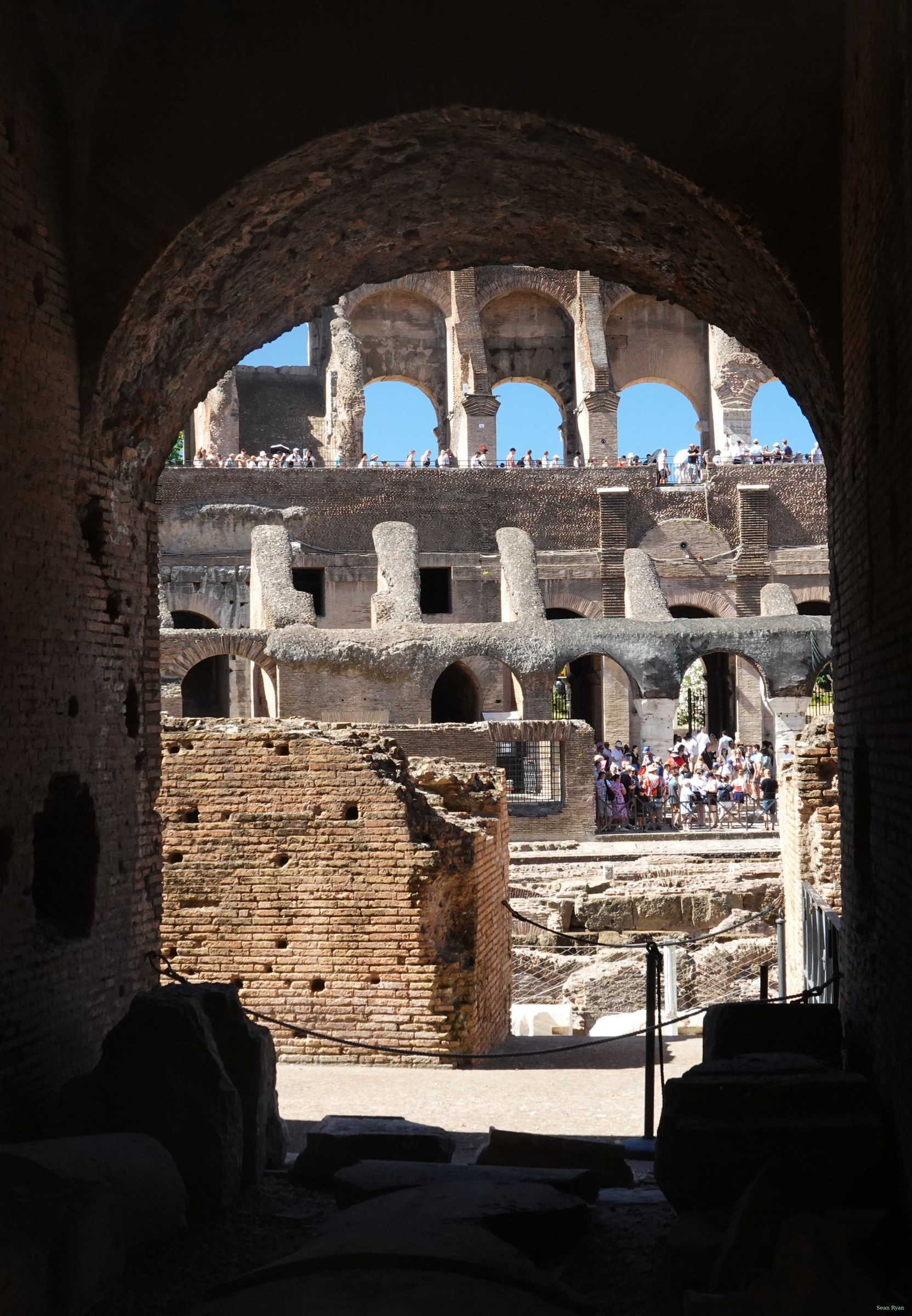
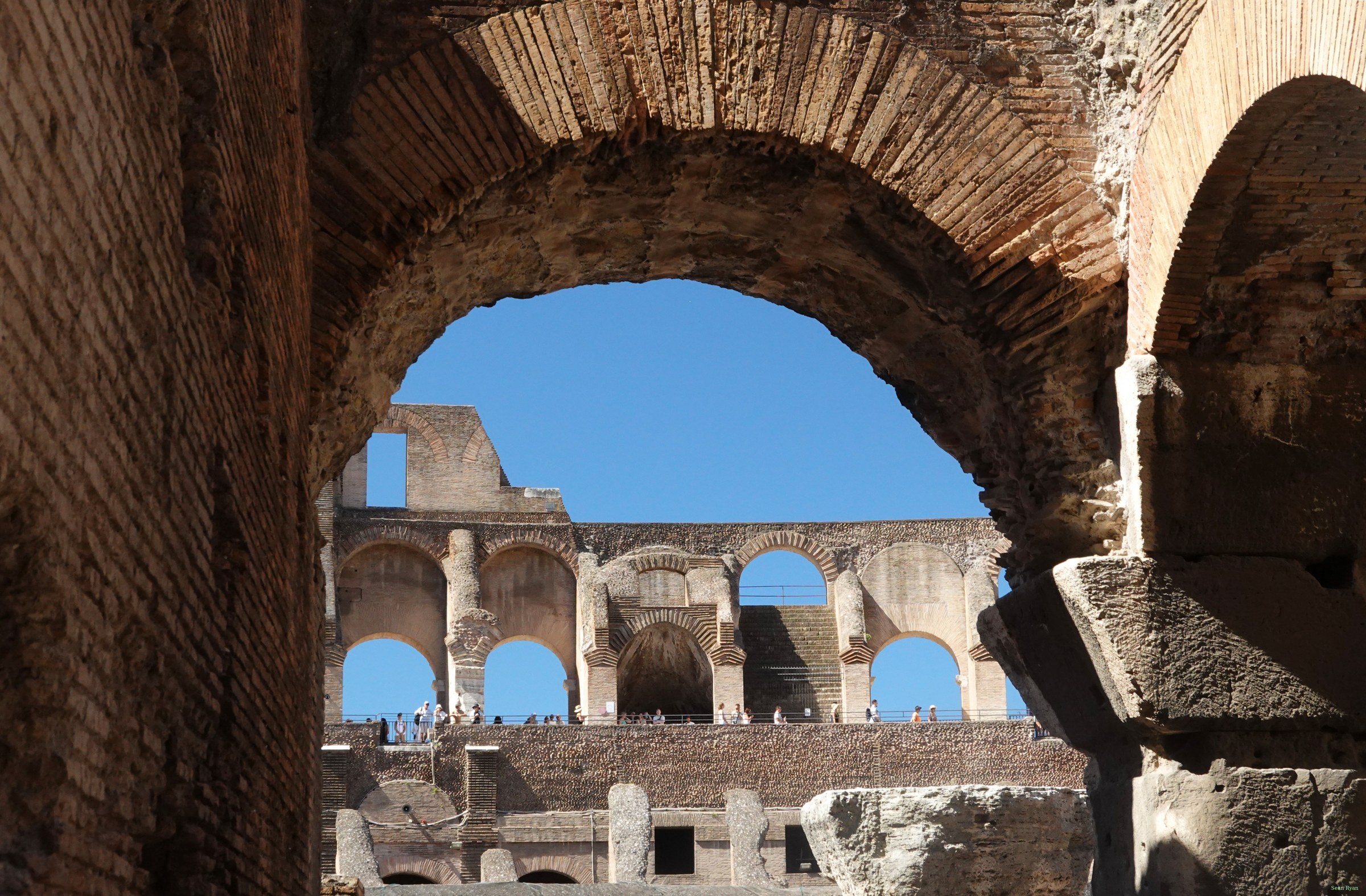
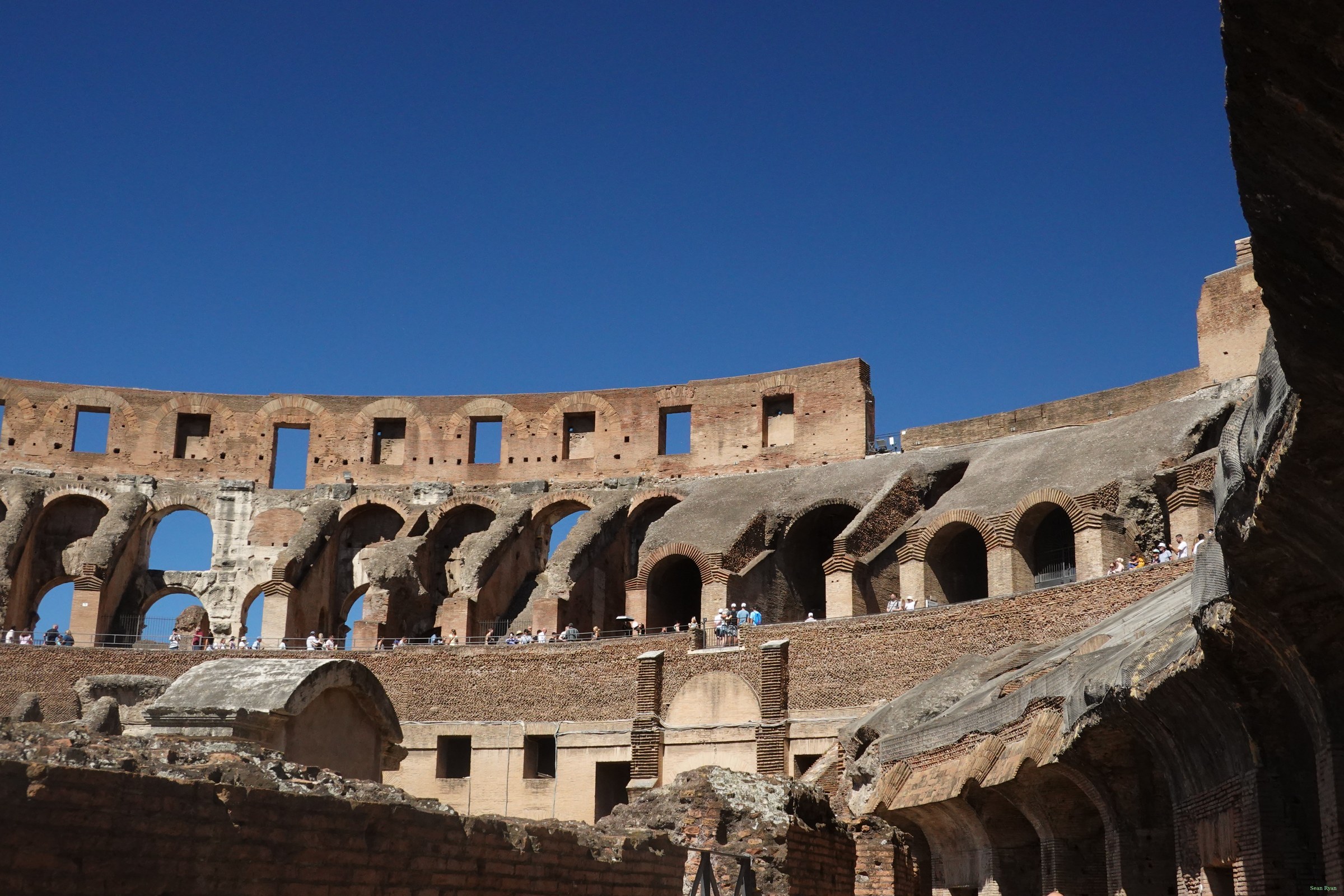
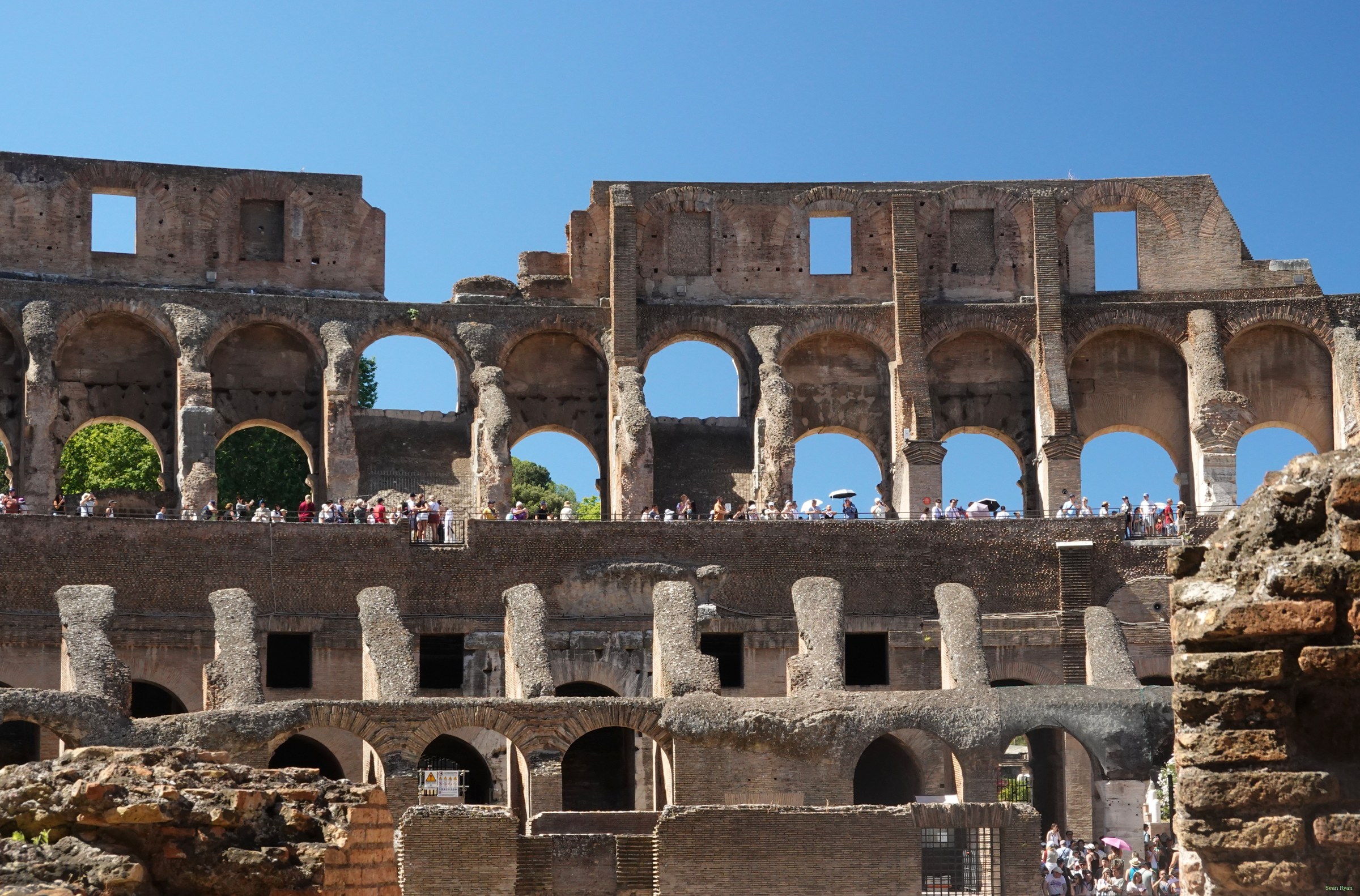
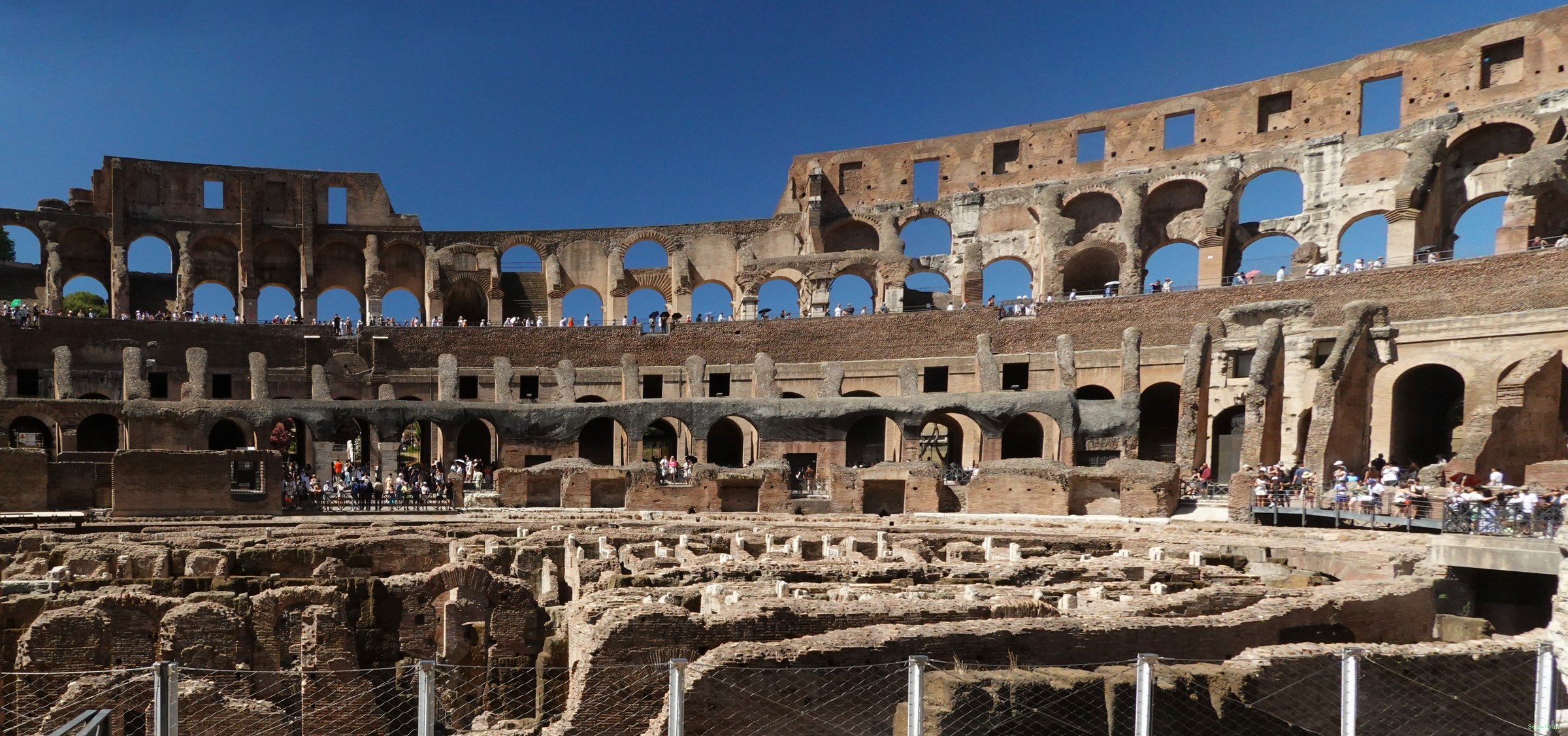
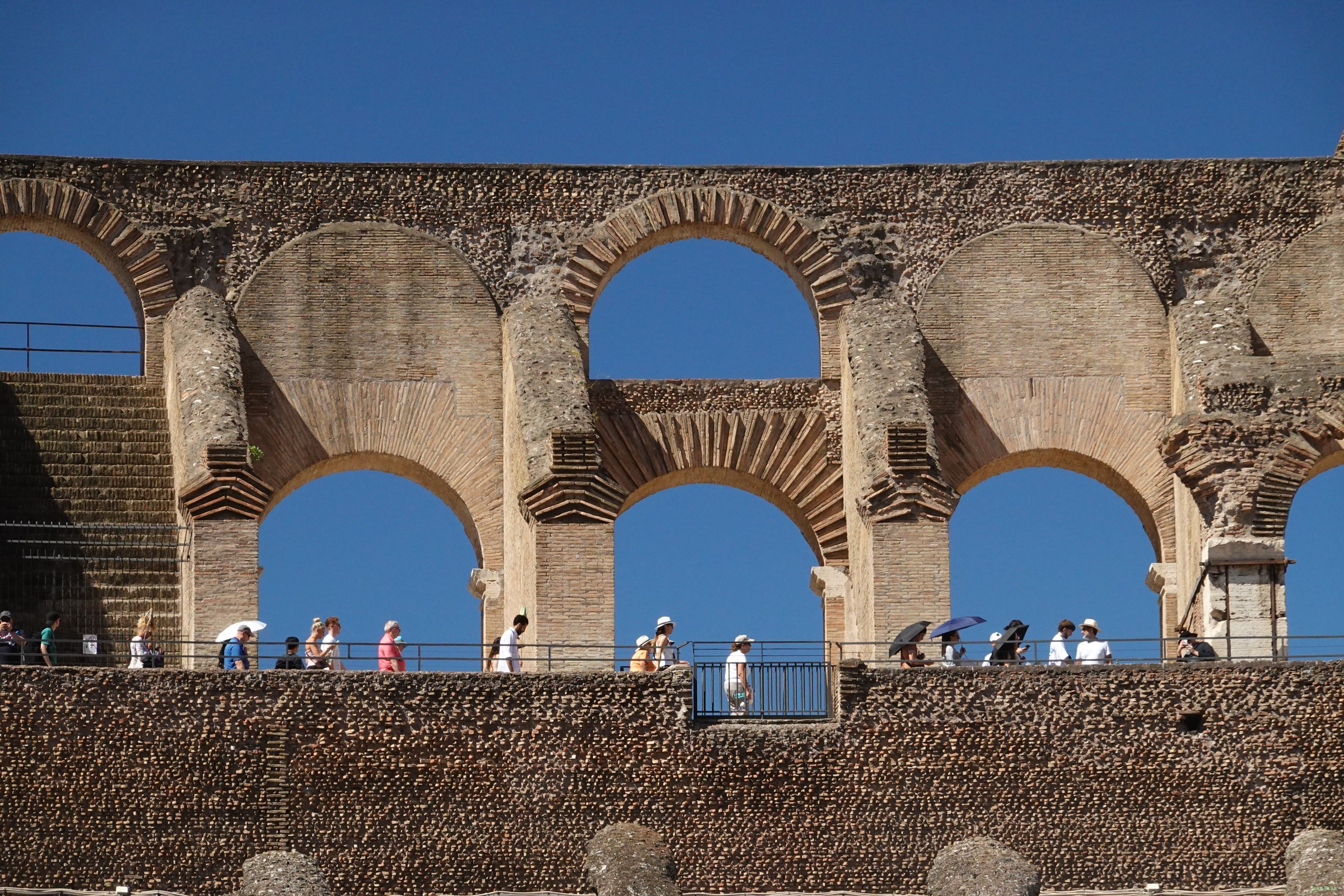
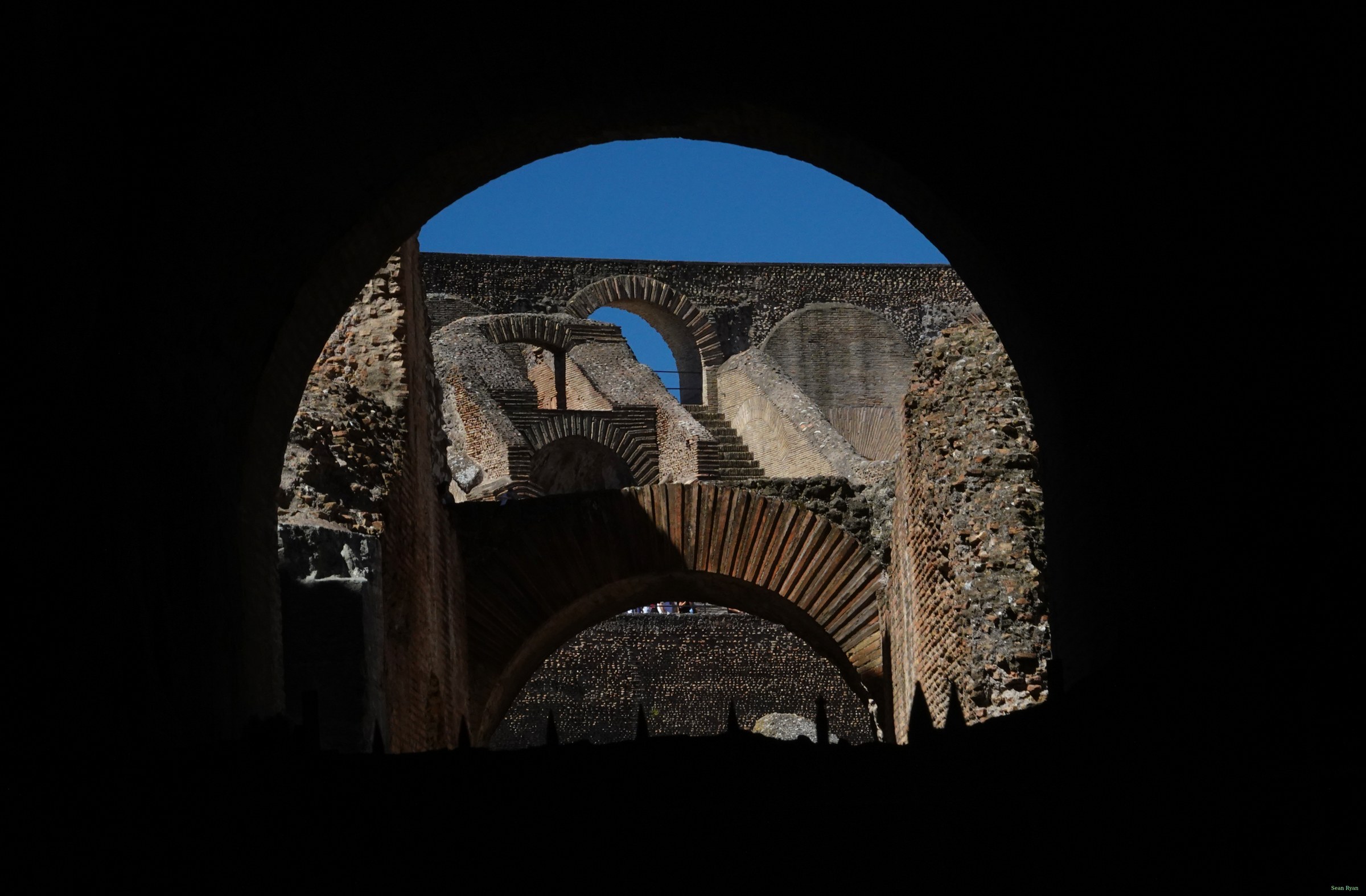
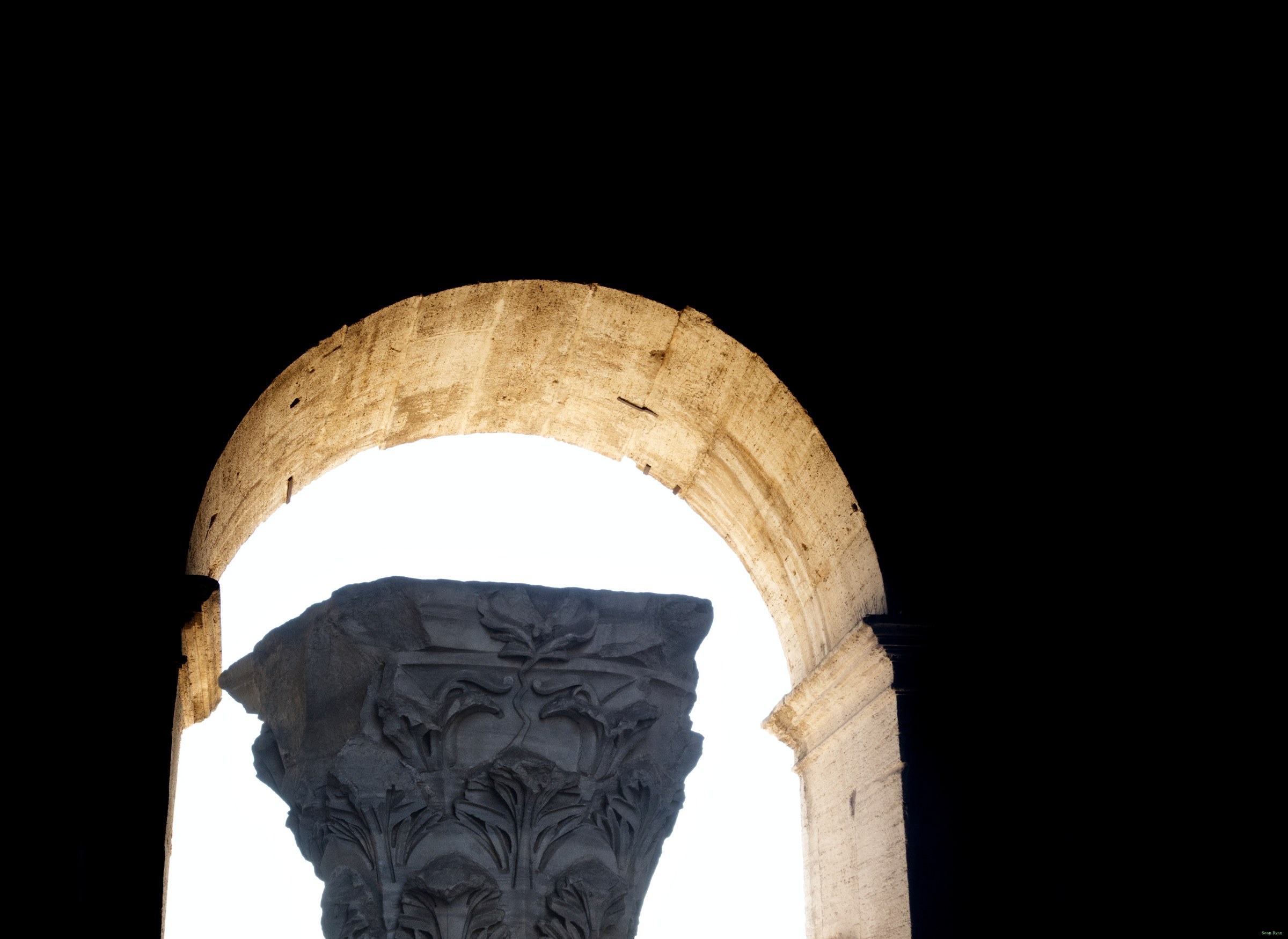
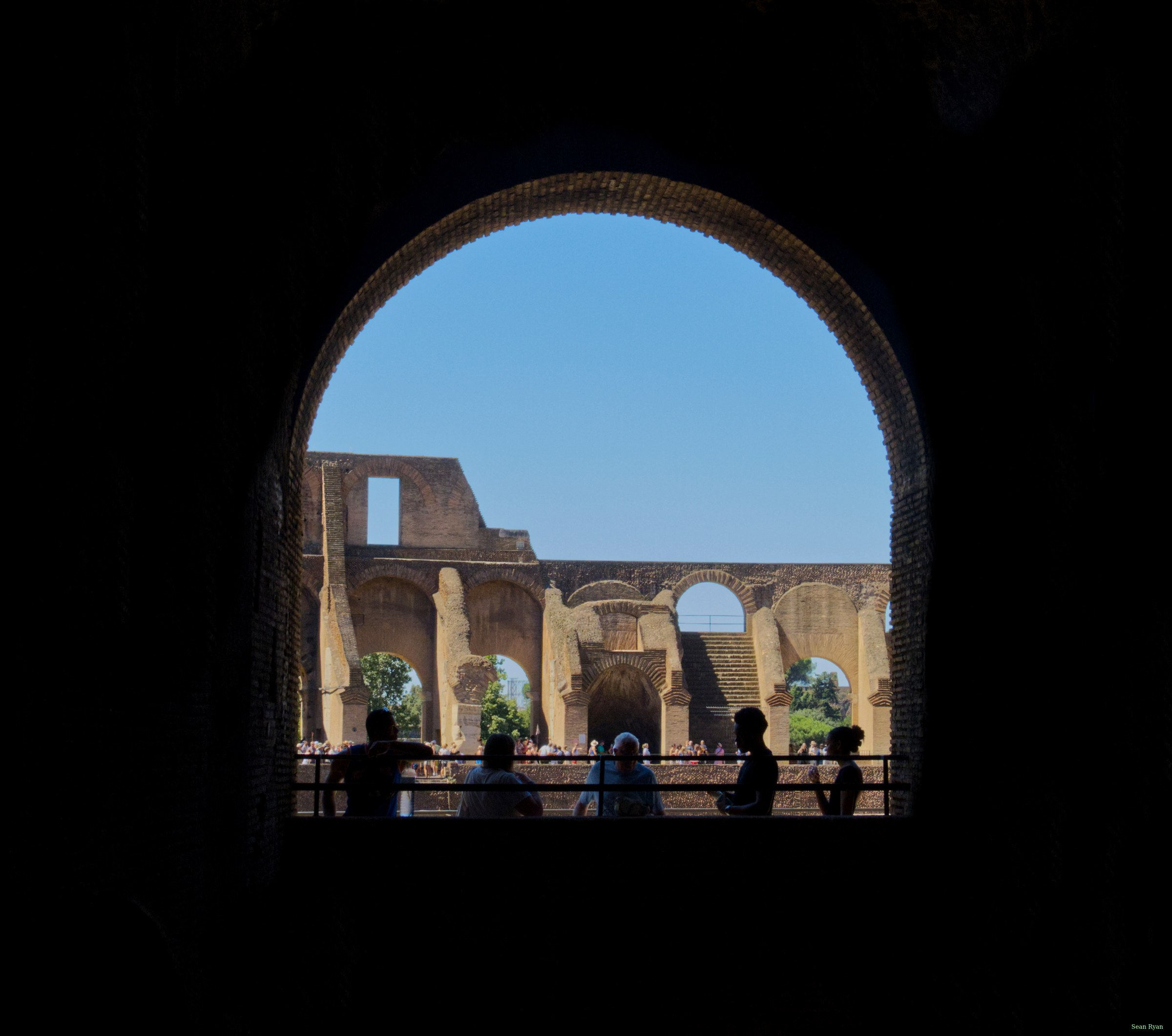
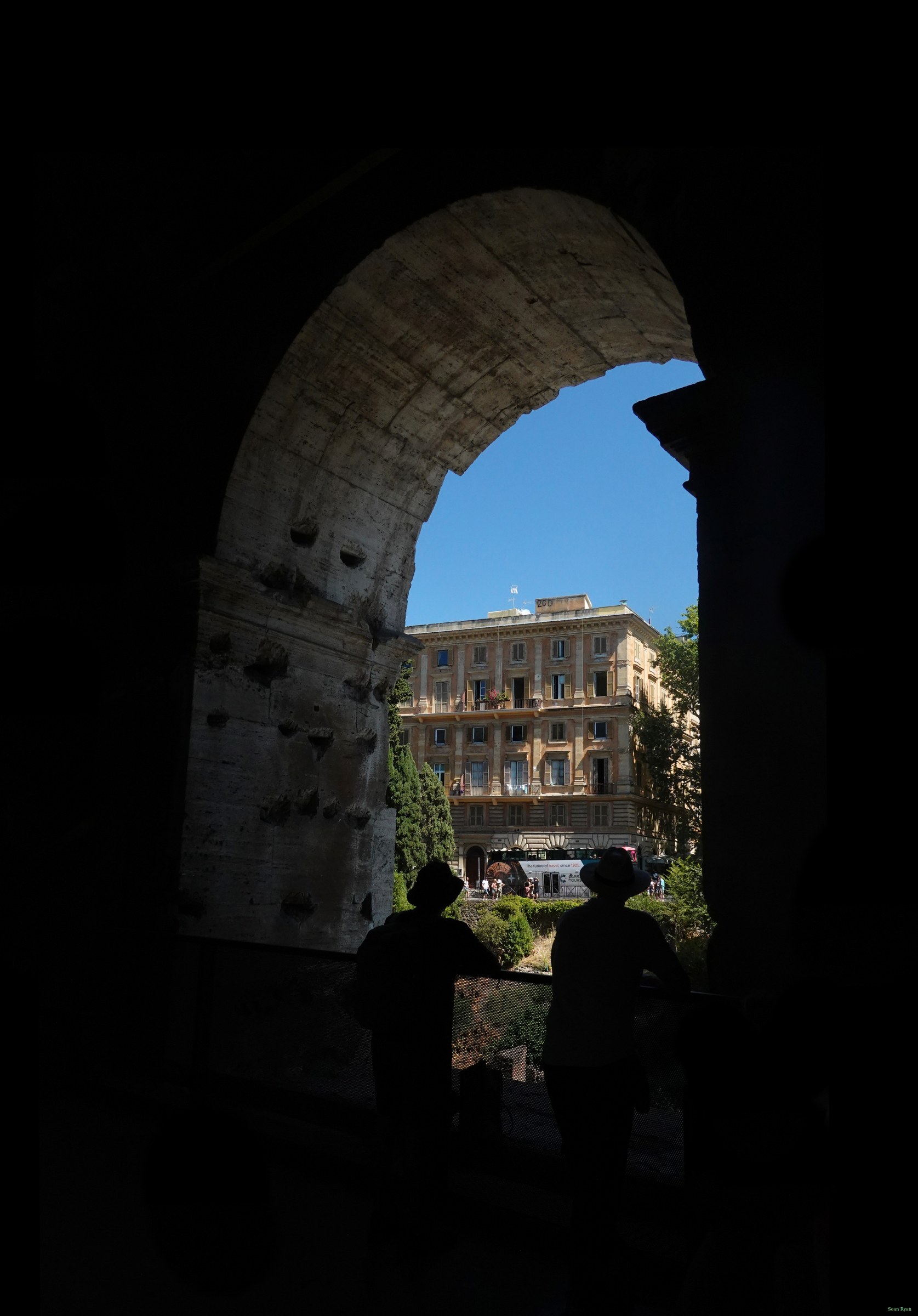
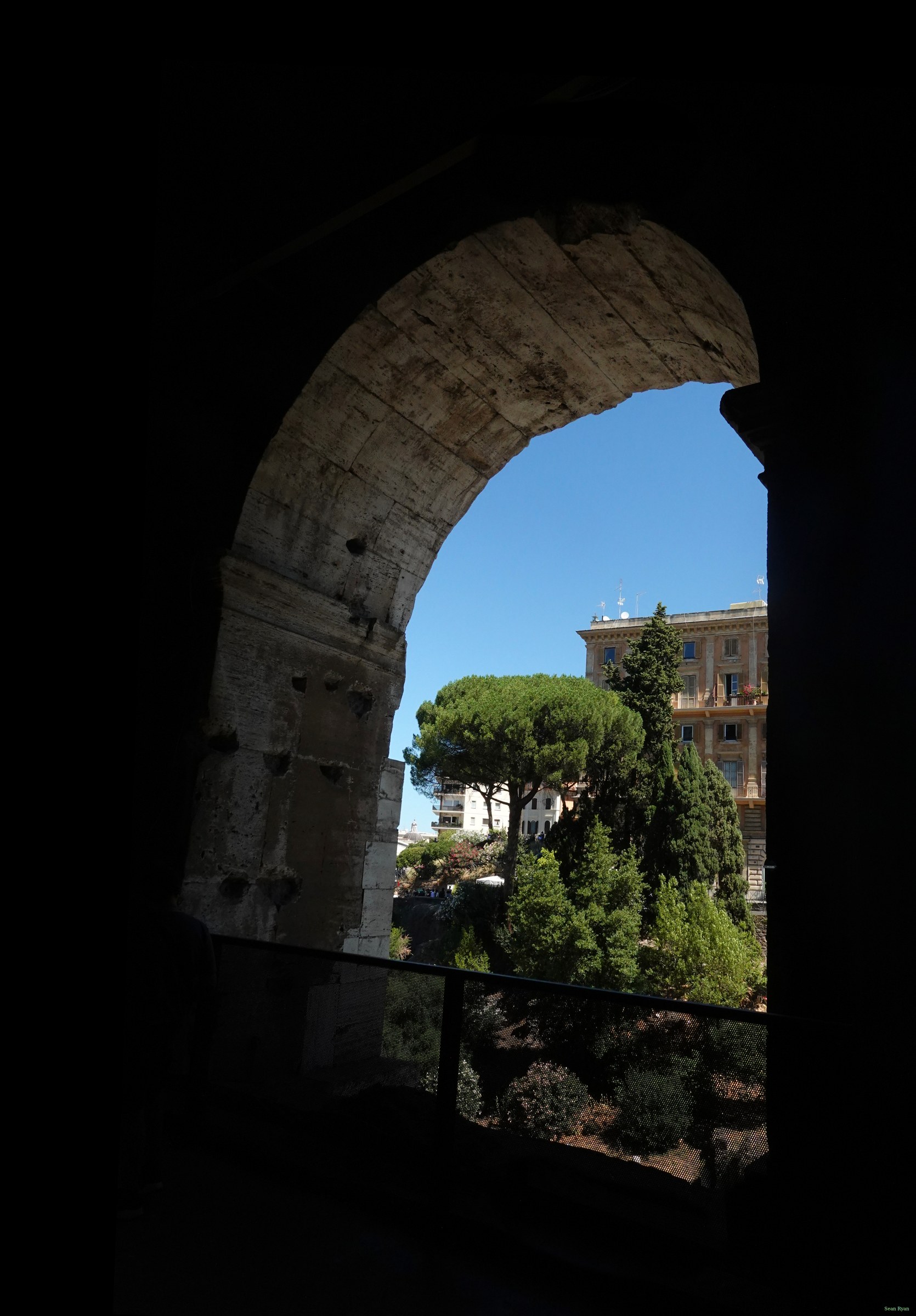
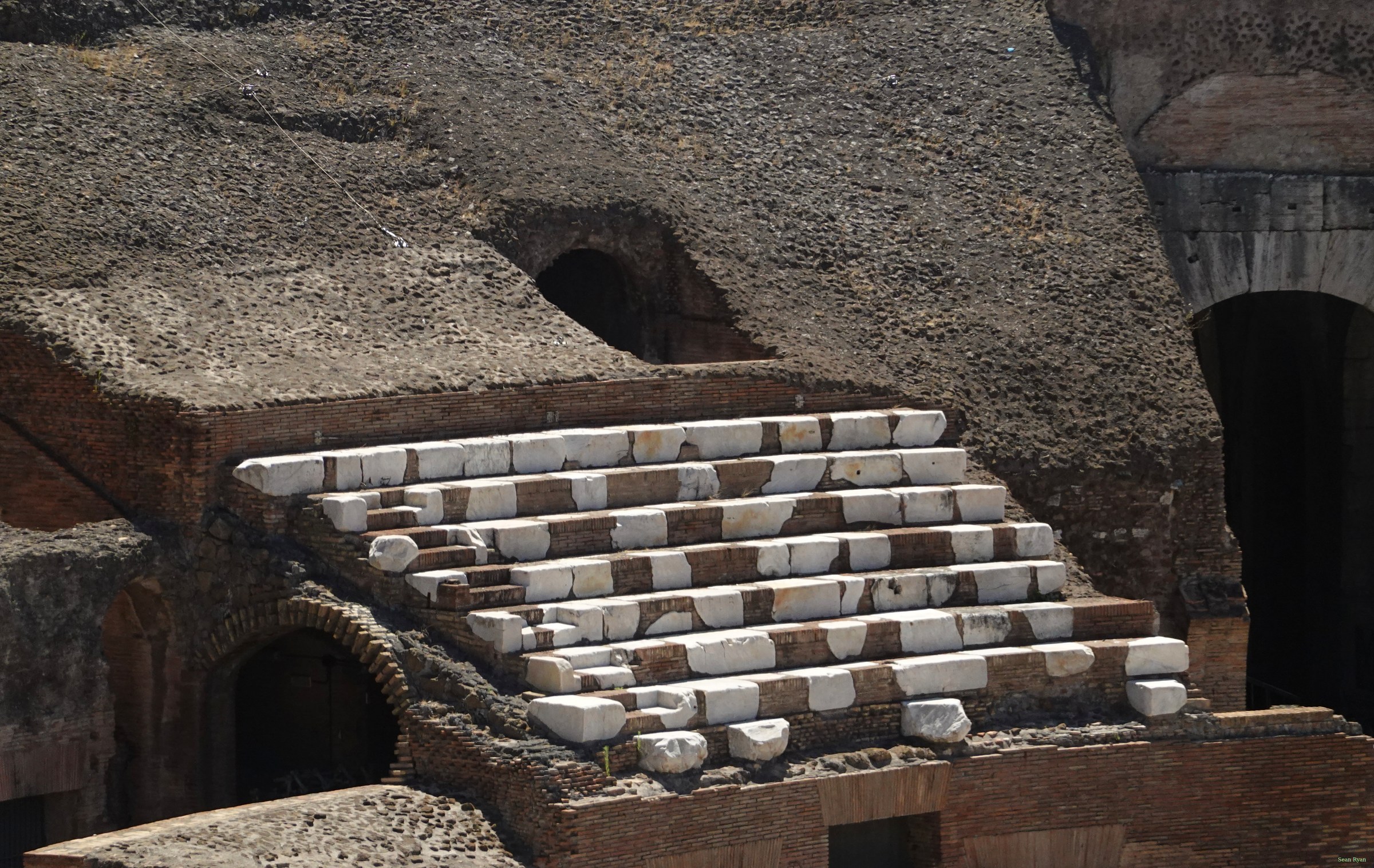
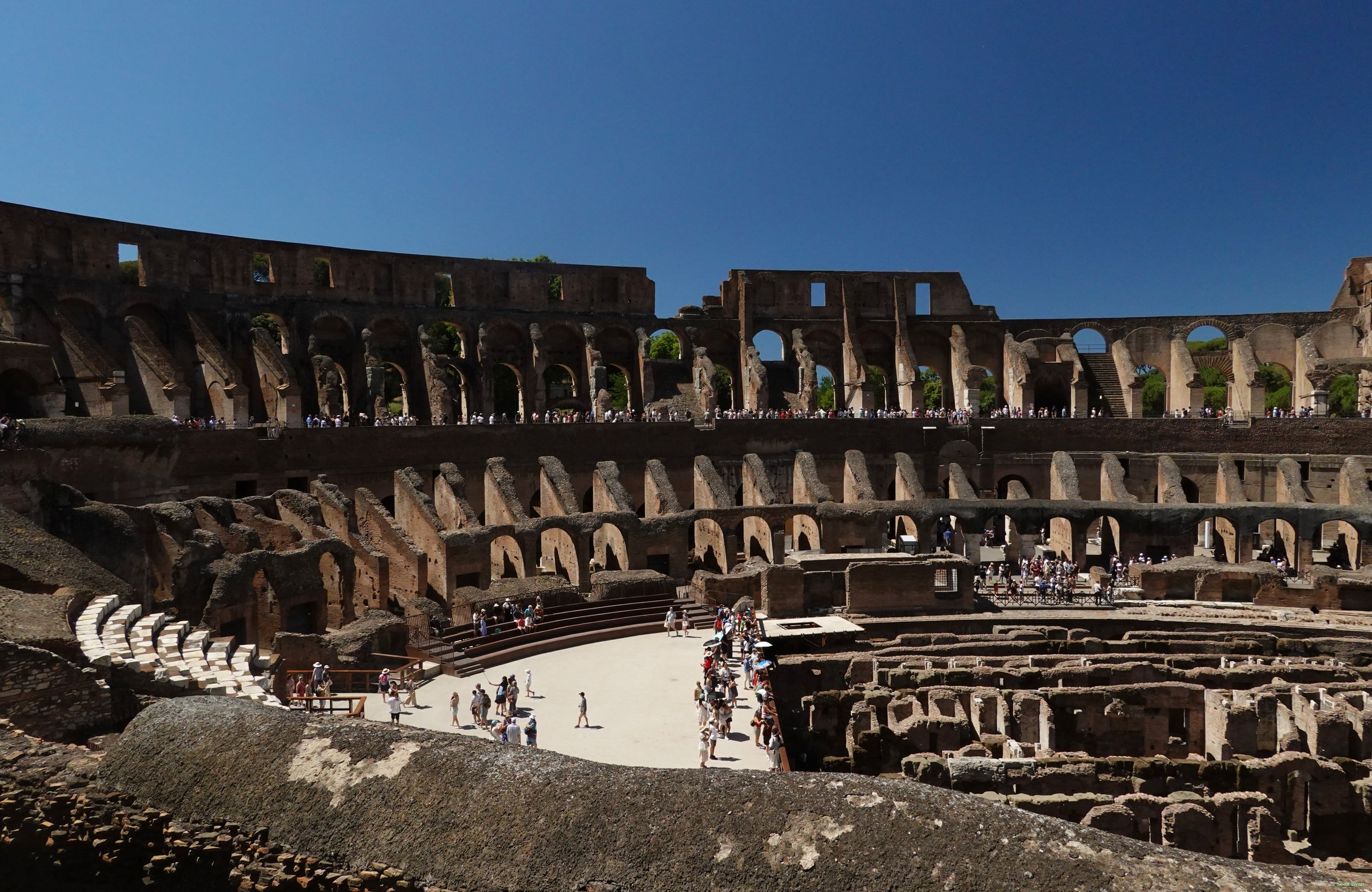
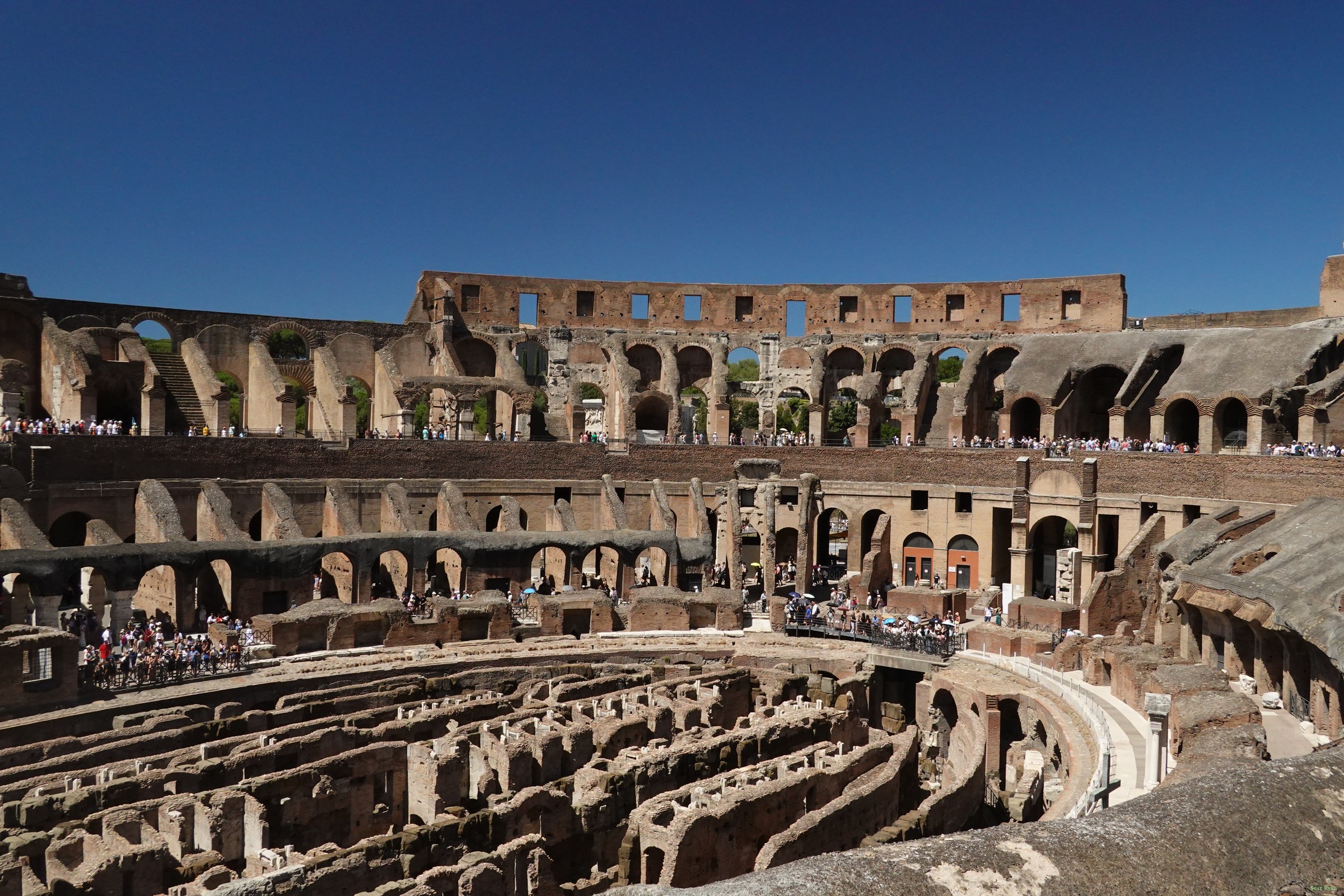
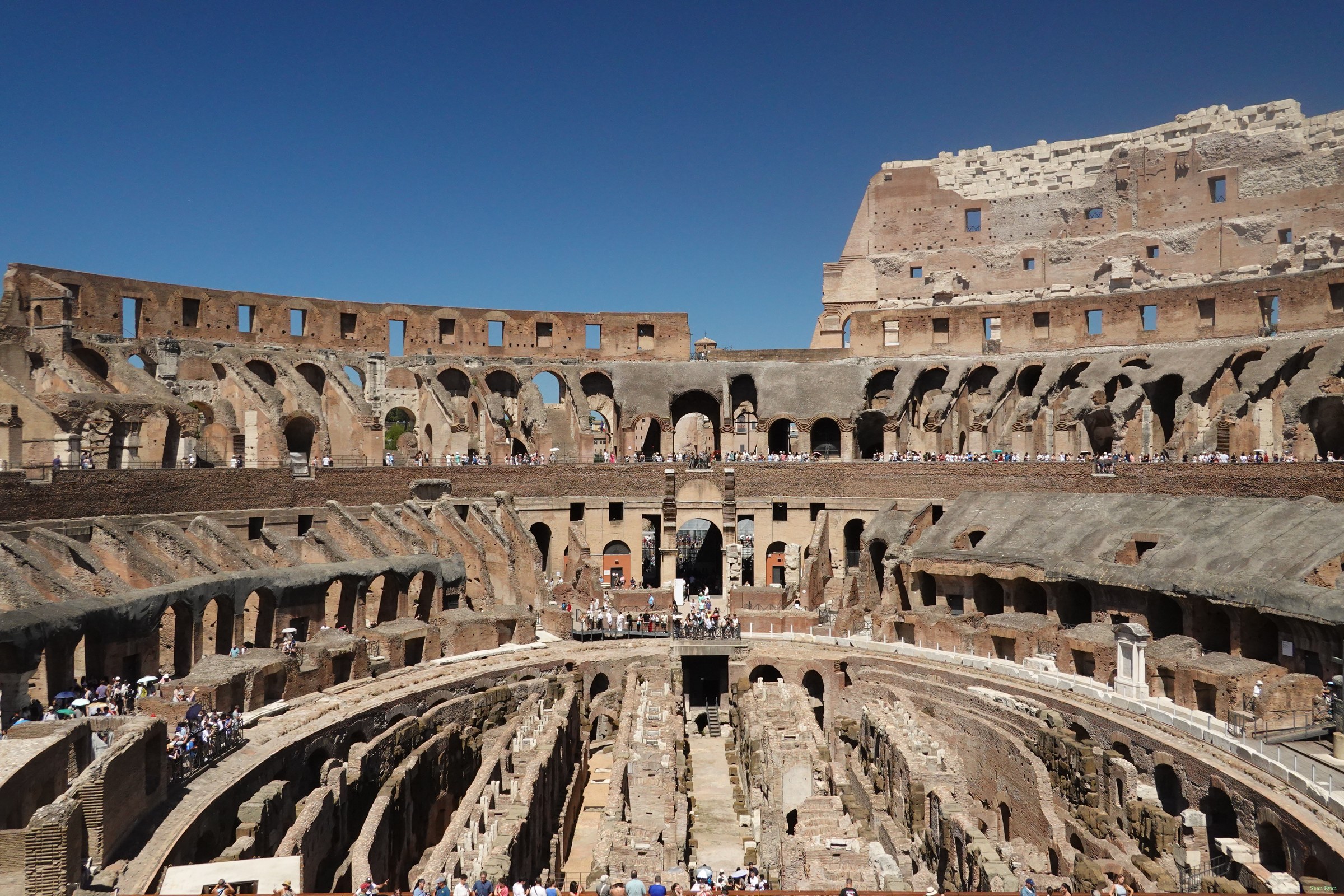
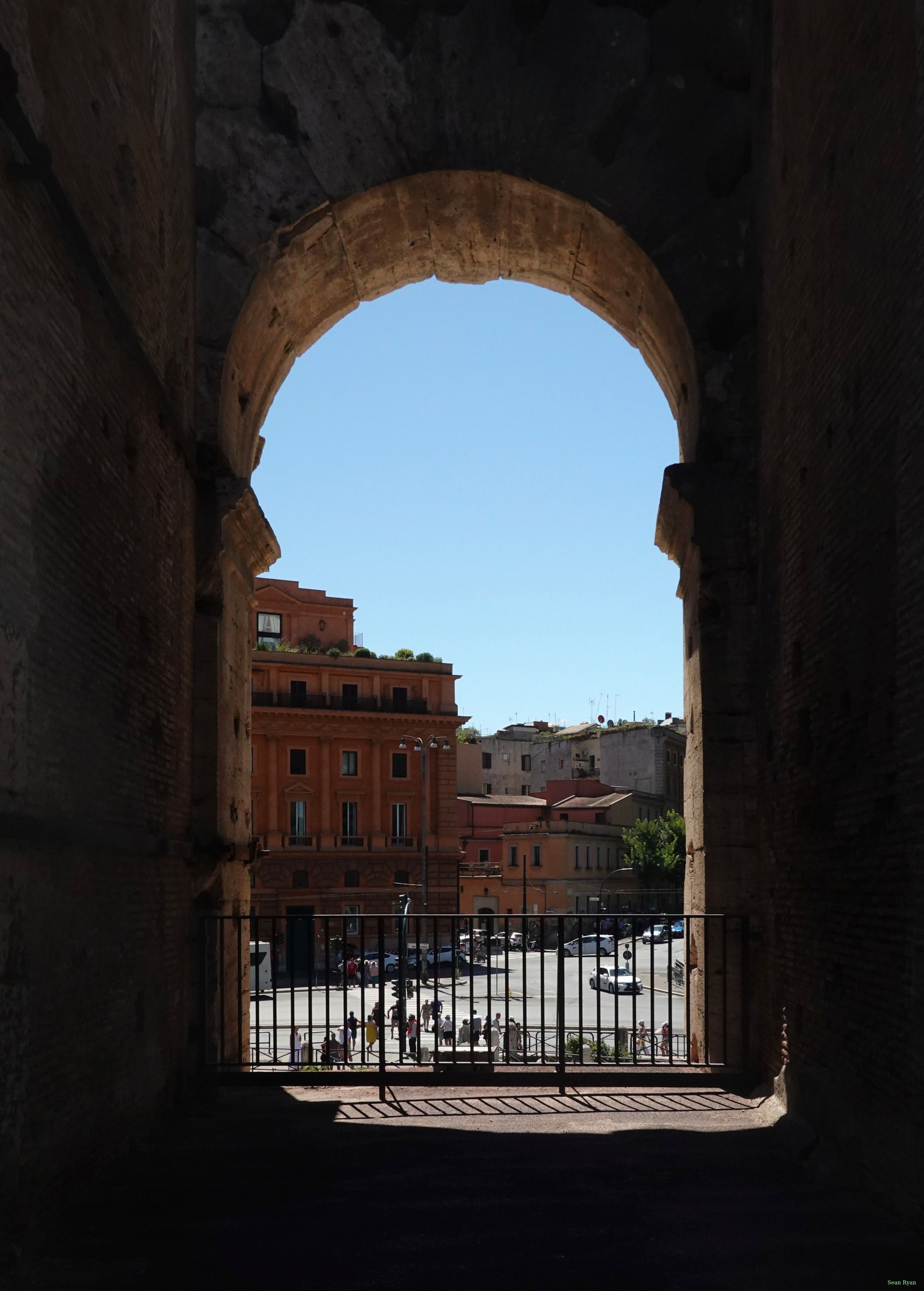
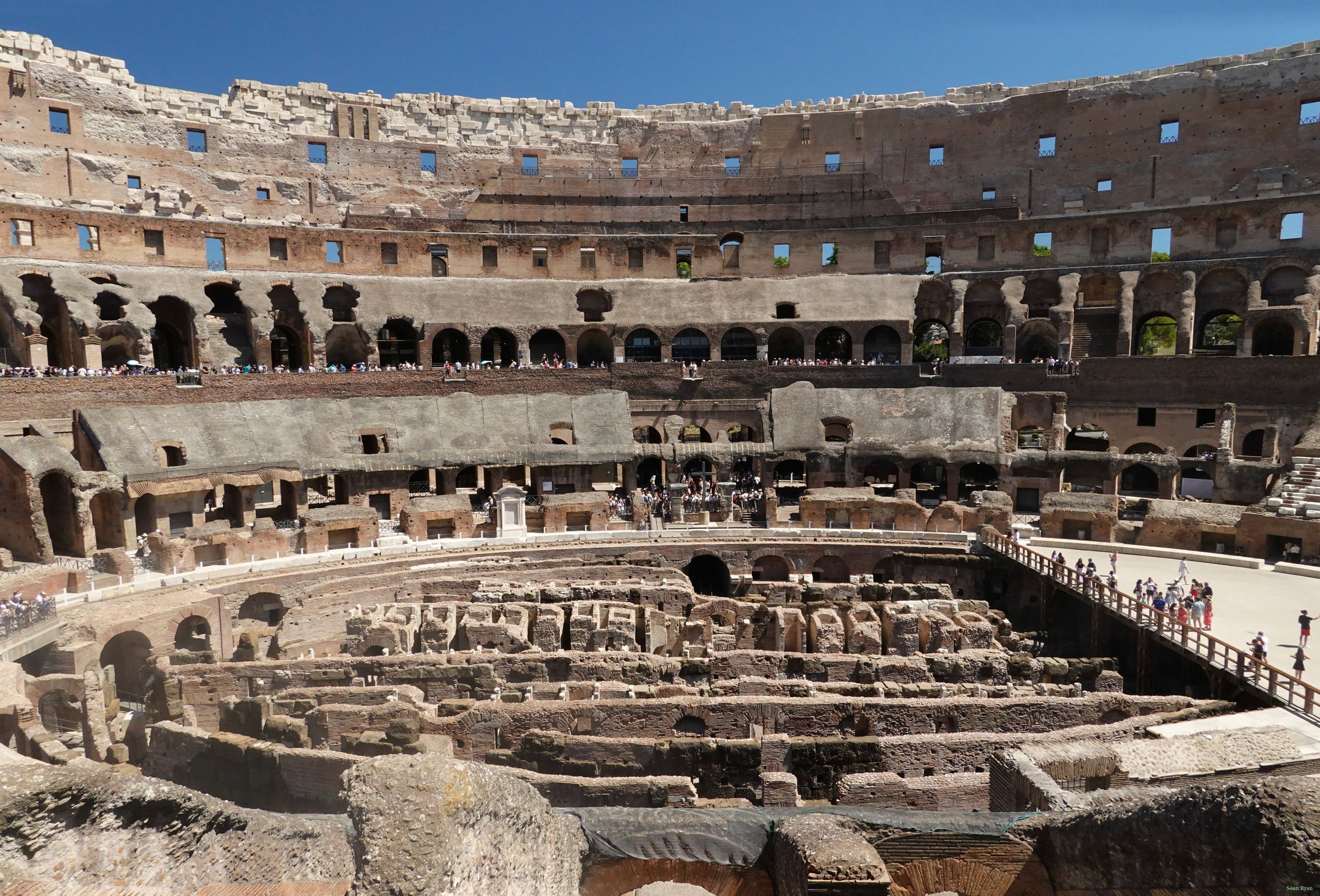
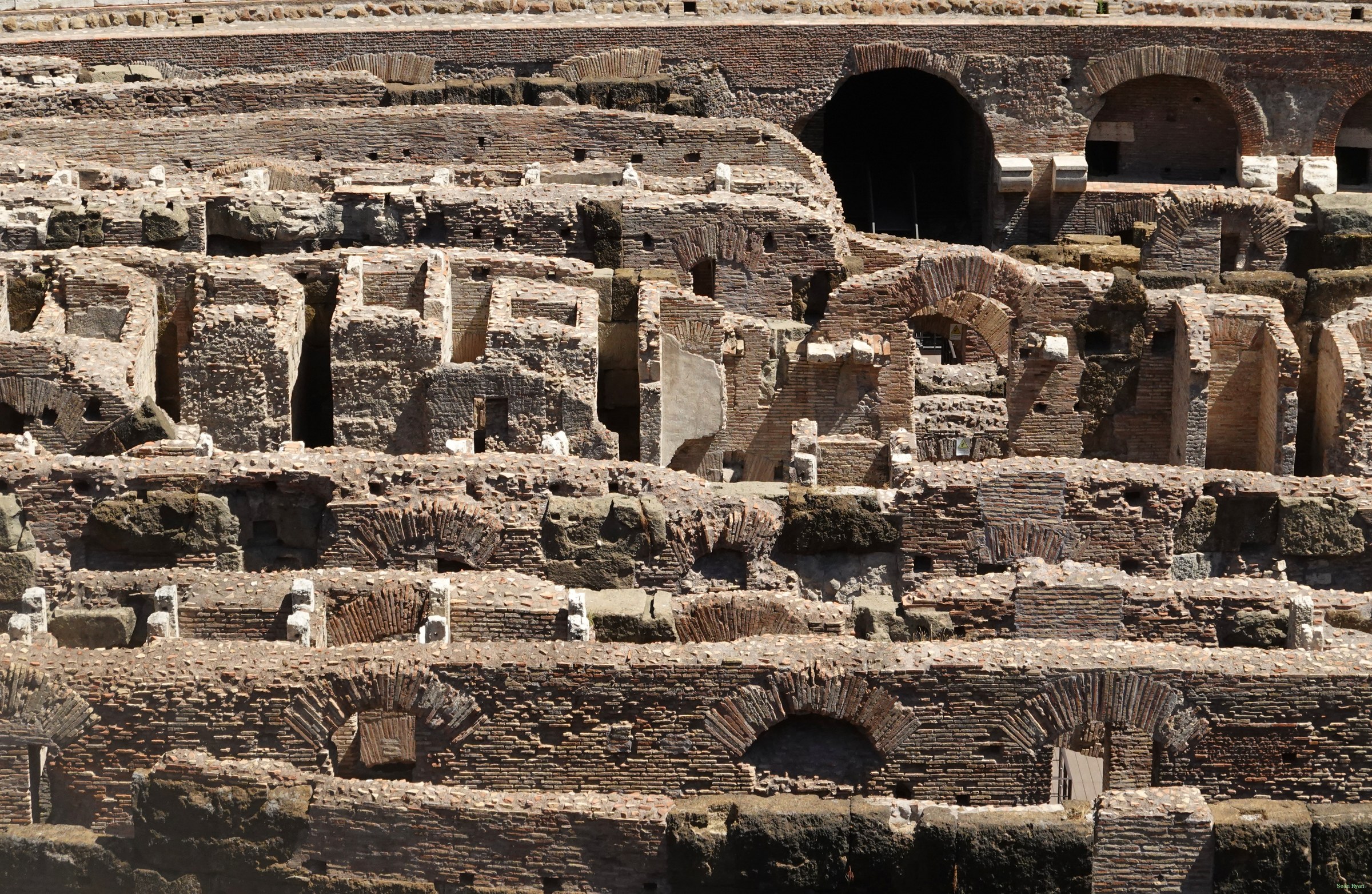
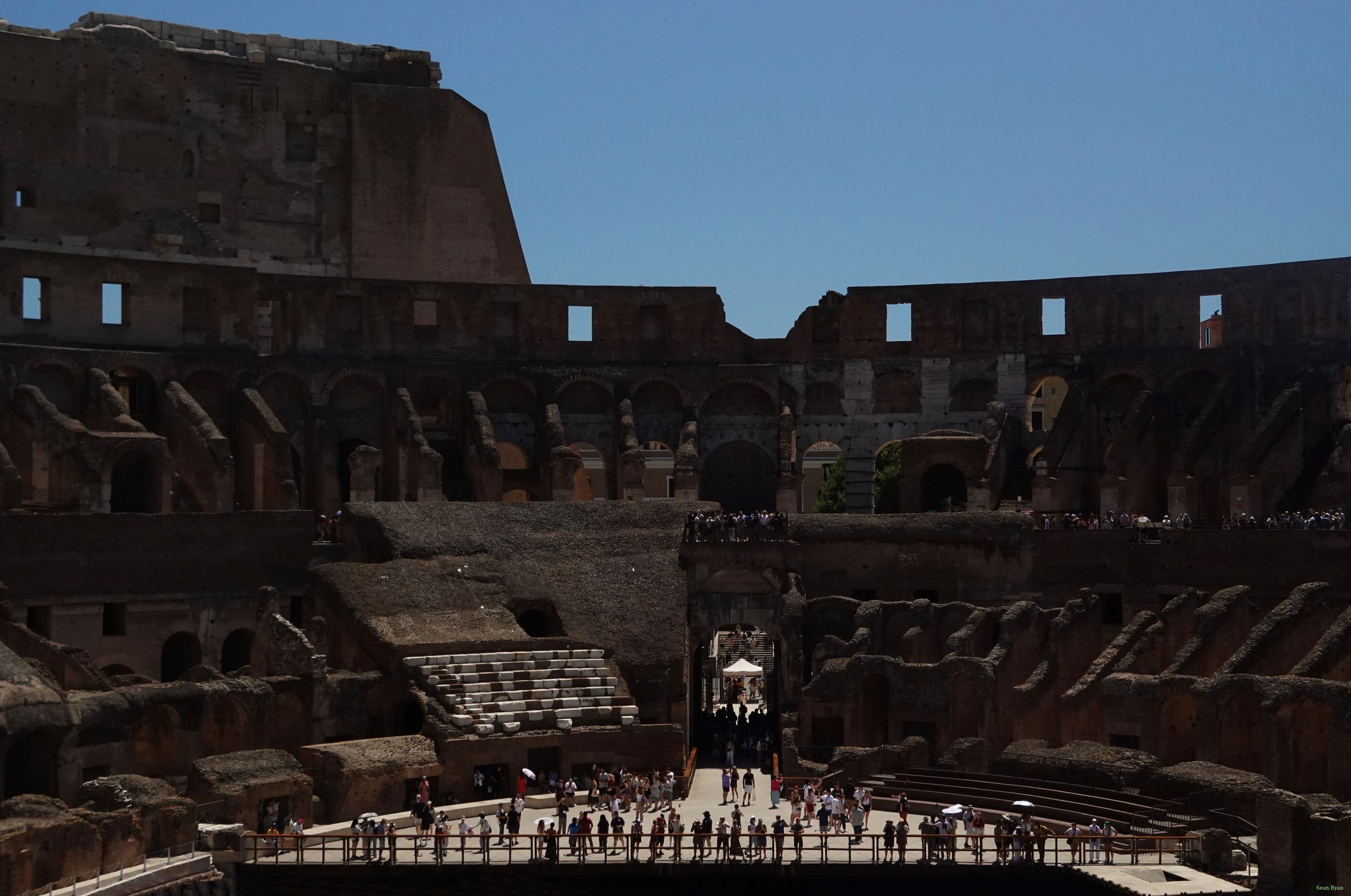
Inside the Colosseum of ancient Rome, by day.
The Colosseum, originally the Flavian Amphitheatre, was built between 70-80 AD by Emperors Vespasian and Titus of the Flavian dynasty, funded by spoils from the Jewish Temple in Jerusalem.
Its name derives from the Colossus of Nero, a 100-foot statue that stood nearby, rather than the building's size.
Commission & Funding: Started around 70-72 AD by Emperor Vespasian and completed by his son Titus in 80 AD, with further modifications by Domitian in 82 AD. It was built using spoils and treasure taken from the Temple in Jerusalem.
Purpose: Created as a gift to the Roman people, designed to host public spectacles like gladiator battles, animal hunts, and mock naval battles.
Materials & Labor: Built on the site of Nero's former artificial lake, serving as a political statement to reclaim public land. The structure is composed of travertine limestone, tuff (volcanic rock), and brick-faced concrete.
Workforce: Thousands of Jewish slaves and prisoners of war were utilized to build the massive arena, which seated an estimated 50,000-55,000 spectators.
Inauguration: Titus inaugurated the structure in 80 AD with games lasting 100 days.